Unseen & Unsung: Women During WWI & WWII
This exhibition ran from 11 April - 30 September 2026.
This exhibition presents the roles and responsibilities of Australian women during the turbulent times of the World Wars.
From the initial involvement in domestic and international volunteer groups and fundraisers, to their push to be involved and part of the national war services, becoming a key part of the machine helping to keep Australia running during wartime.
Their roles were often uncelebrated and forgotten, conducted in the background of the frontlines and on the home ground.
From tending to the wounded on the frontlines to intercepting and decoding messages, these women worked tirelessly, making extraordinary sacrifices and enduring immense challenges.
World War One
When World War One began, most Australian women were homemakers, managing domestic duties regardless of their marital status. Fewer than one in five were employed, and those who worked were typically confined to traditional roles such as factory hands or domestic servants.
The introduction of conscription in 1915 dramatically increased the need for female labour. Women began to move beyond the confines of the home and textile factories, taking on positions as ticket collectors, postal workers, railway guards, police officers, and even firefighters.
Throughout the war, Australian women made vital contributions to the national war effort. From nursing in the Australian Army, volunteering with the Red Cross, fundraising and supporting soldiers from home. They played a critical role in manufacturing and healthcare, producing weapons and ammunition in munitions factories and caring for the wounded in hospitals and medical facilities.

Nurses
Service roles included nursing, while civilian volunteers could serve in medical support roles, and Voluntary Aid Detachments. Australian women, known as 'Bluebirds' due to their uniforms, served as Red Cross nurses in military hospitals in France. Canteens in Egypt were set up for Australian troops by women volunteers.
World War I records show that:
- 2,139 women served in the Australian Army Nursing Service (AANS)
- 130 women worked with the Queen Alexandra Imperial Military Nursing Service in the British Army
- 423 women served in hospitals in Australia.
Volunteering across the World Wars
Women were strongly encouraged to support the war effort by joining voluntary organisations that raised funds and provided essential supplies and comforts for servicemen. Key groups included the Australian Red Cross, Citizens' War Chest, Voluntary Aid Detachments, Australian Comforts Fund, and the Cheer-up Society.
The largest of and most influential ones were officially recognised by the government for their vital role in supporting Australian service men and women, both at home and overseas.
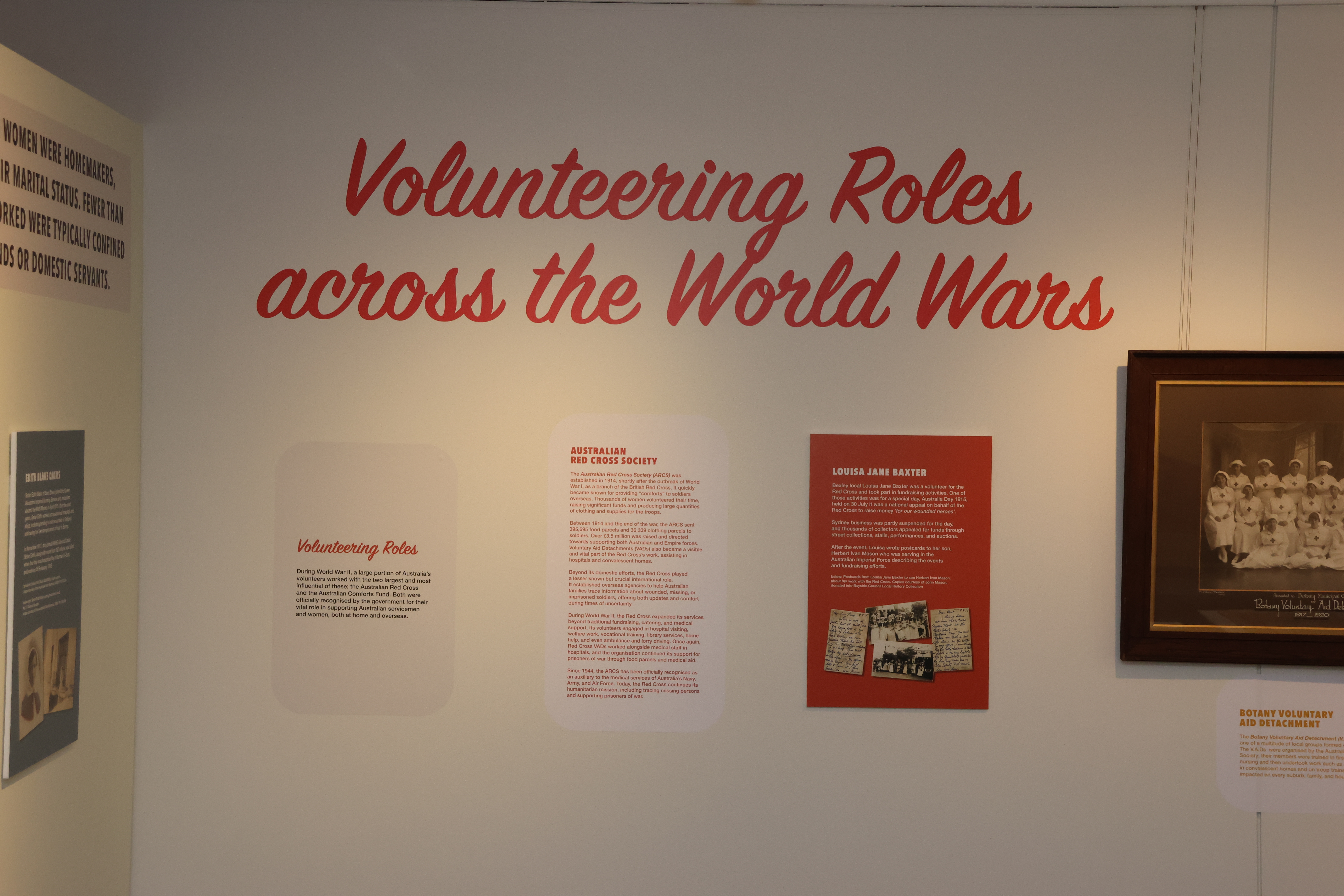
Australian Red Cross Society
The Australian Red Cross Society (ARCS) was established in 1914, shortly after the outbreak of World War I, as a branch of the British Red Cross. It quickly became known for providing "comforts" to soldiers overseas. Thousands of women volunteered their time, raising significant funds and producing large quantities of clothing and supplies for the troops.
Between 1914 and the end of the war, the ARCS sent 395,695 food parcels and 36,339 clothing parcels to soldiers. Over £3.5 million was raised and directed towards supporting both Australian and Empire forces. Voluntary Aid Detachments (VADs) also became a visible and vital part of the Red Cross's work, assisting in hospitals and convalescent homes.
During World War II, the Red Cross expanded its services beyond traditional fundraising, catering, and medical support. Volunteers engaged in hospital visiting, welfare work, vocational training, library services, home help, and even ambulance and lorry driving.
Since 1944, the ARCS has been officially recognised as an auxiliary to the medical services of Australia’s Navy, Army, and Air Force. Today, the Red Cross continues its humanitarian mission, including tracing missing persons and supporting prisoners of war.
Botany Voluntary Aid Detachment
The Botany Voluntary Aid Detachment (V.A.D.) was just one of a multitude of local groups formed during the war. The V.A.Ds were organised by the Australian Red Cross Society; their members were trained in first aid and home nursing and then undertook work such as orderly duties in convalescent homes and on troop trains. The war impacted on every suburb, family, and household.
World War Two
During the Second World War, Australian women played an increasingly vital role, stepping into jobs and responsibilities traditionally held by men. With a large portion of the male population enlisted, women were urgently needed to fill labour shortages and keep essential services running. By 1943, the number of women in the Australian workforce peaked at 800,000, the highest during the war. Women took on a wide range of roles, working as builders, clerks, drivers, farm labourers, intelligence officers, mechanics, telegraphists, and more. Many were employed in factories producing ammunition, aircraft, uniforms, food supplies, and weapons.
World War Two: Women at Home
Impatient with delays in official recruitment, women began organising their own efforts from the early days of the war.
Voluntary auxiliary and paramilitary groups such as the Women’s Transport Corps, Women’s Flying Club, and the Women’s Emergency Signalling Corps (WESC) were established across the country. These organisations trained women in areas like Morse code, wireless telegraphy, semaphore, air raid procedures, and military drills, proving their capability and readiness to serve.
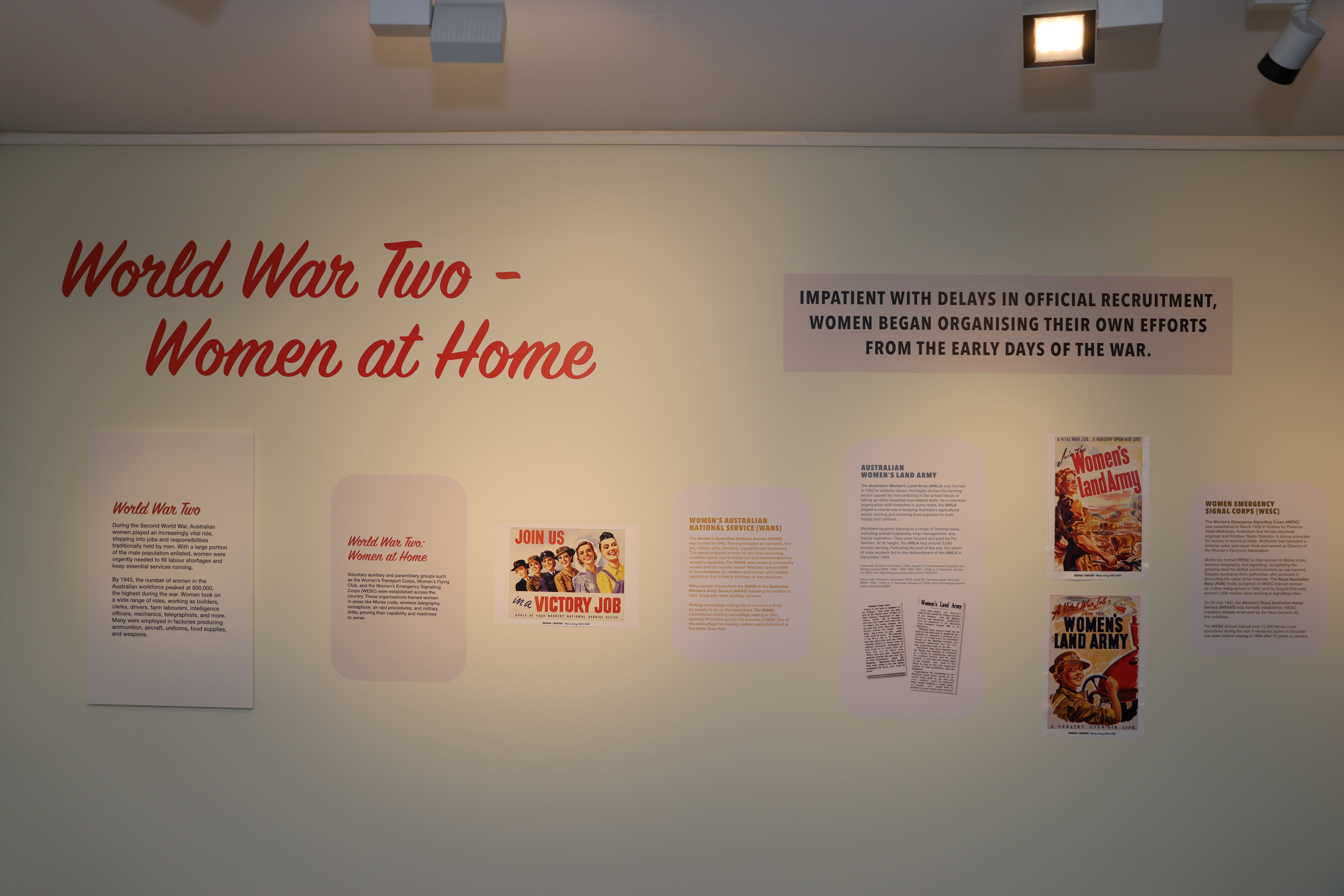
Women’s Australian National Service (WANS)
The Women’s Australian National Service (WANS) was formed in 1940. Training included air raid drills, first aid, military drills, shooting, signalling and mechanics. This group prepared women for the roles becoming available due to men’s enlistment and demonstrated the women’s capability. The WANS were active in community service and ran hostels named ‘Wanslea’ across NSW to accommodate for children and women who needed assistance due to family sickness or war absences.
Many women moved from the WANS to the Australian Women’s Army Service (AWAS) following its creation in 1941 along with other auxiliary services.
Making camouflage netting was a common activity for people to do on the home front.
The WANS commenced creating camouflage netting in 1941, opening 39 centers across the suburbs of NSW.
One of the camouflage net making centers was established at Rockdale Town Hall.
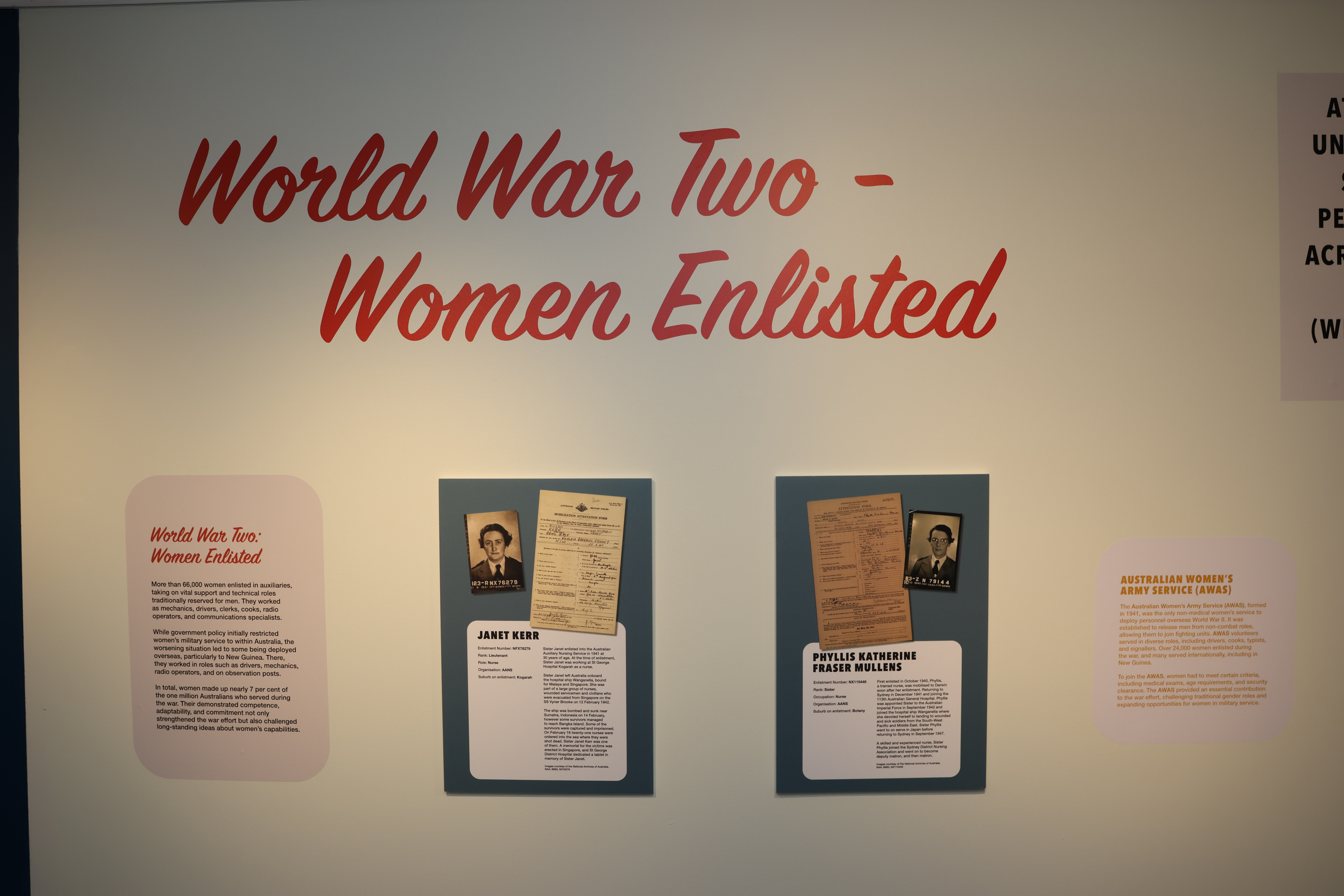
World War Two: Women Enlisted
At the outbreak of World War II, the only official women’s unit in the Australian Army was the Australian Army Nursing Service. However, as the war intensified and demand for personnel grew, women rapidly expanded their involvement across all branches of the military. By 1942, formal auxiliary services had been established: the Women’s Australian Auxiliary Air Force (WAAAF), the Women’s Royal Australian Naval Service (WRANS), the Australian Women’s Army Service (AWAS), and the Australian Army Medical Women’s Service (AAMWS).
More than 66,000 women enlisted in auxiliaries, taking on vital support and technical roles traditionally reserved for men. They were employed in over 70 occupations by the end of the war, including as mechanics, drivers, clerks, cooks, radio operators, and communications specialists.
While government policy initially restricted women’s military service to within Australia, the worsening situation led to some being deployed overseas, particularly to New Guinea. There, they worked in roles such as drivers, mechanics, radio operators, and on observation posts.
In total, women made up nearly 7 per cent of the one million Australians who served during the war. Their demonstrated competence, adaptability, and commitment not only strengthened the war effort but also challenged long-standing ideas about women’s capabilities.
Share Her Story
If you know a female from the Bayside area who served during either of these wars, we invite you to share her name, photograph and a brief story about her experiences. Whether they served in the armed forces, were nurses, volunteers, or contributed in other significant ways, their courage and contributions are an important part of history.
By submitting her story, you help preserve her legacy and celebrate her invaluable contribution to our community and to history. Please contribute your memories to ensure that these remarkable women are remembered and honoured for their extraordinary dedication.
Our A-Z History
This exhibition was held on 21 June - 31 October 2025.
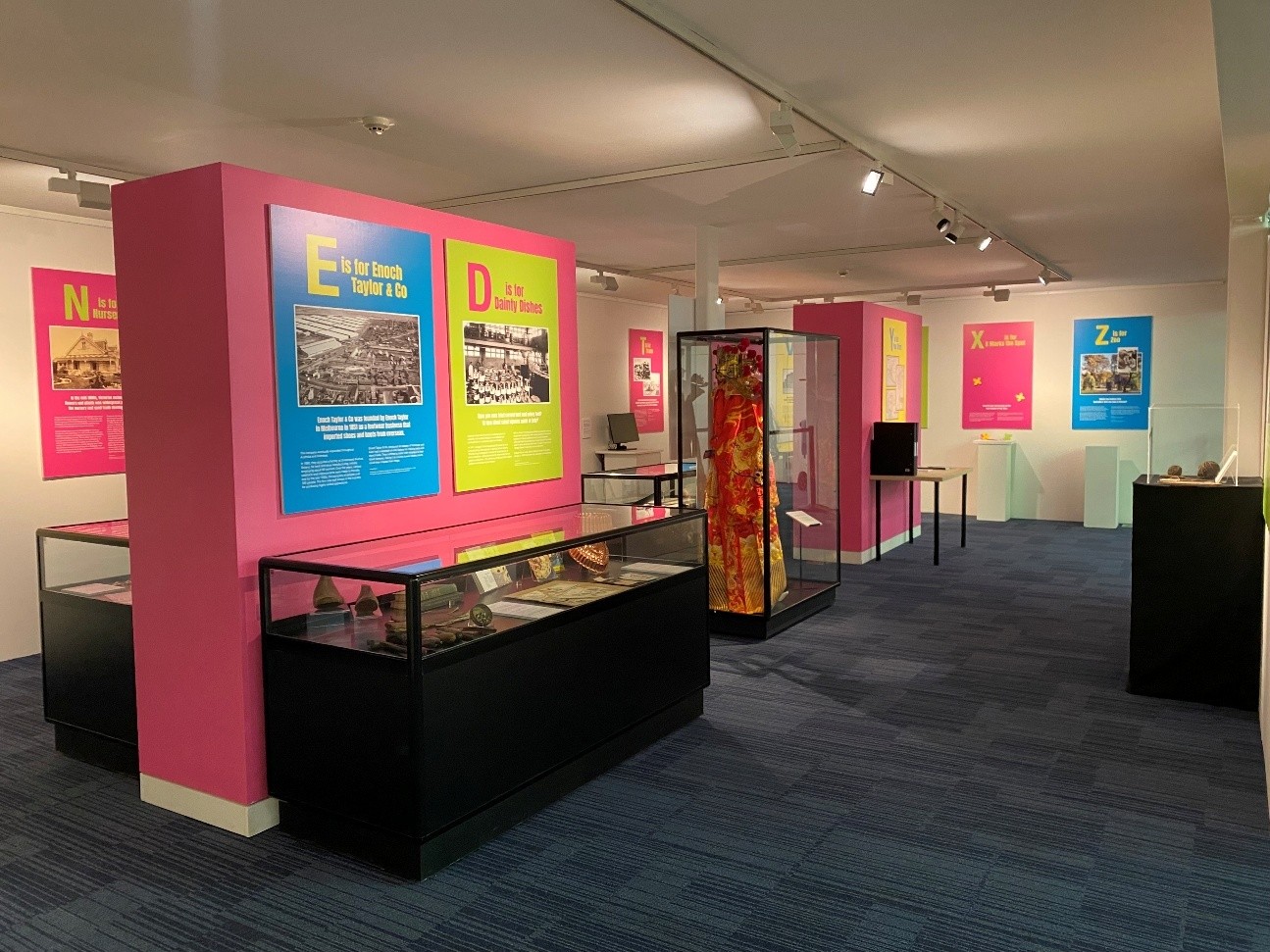
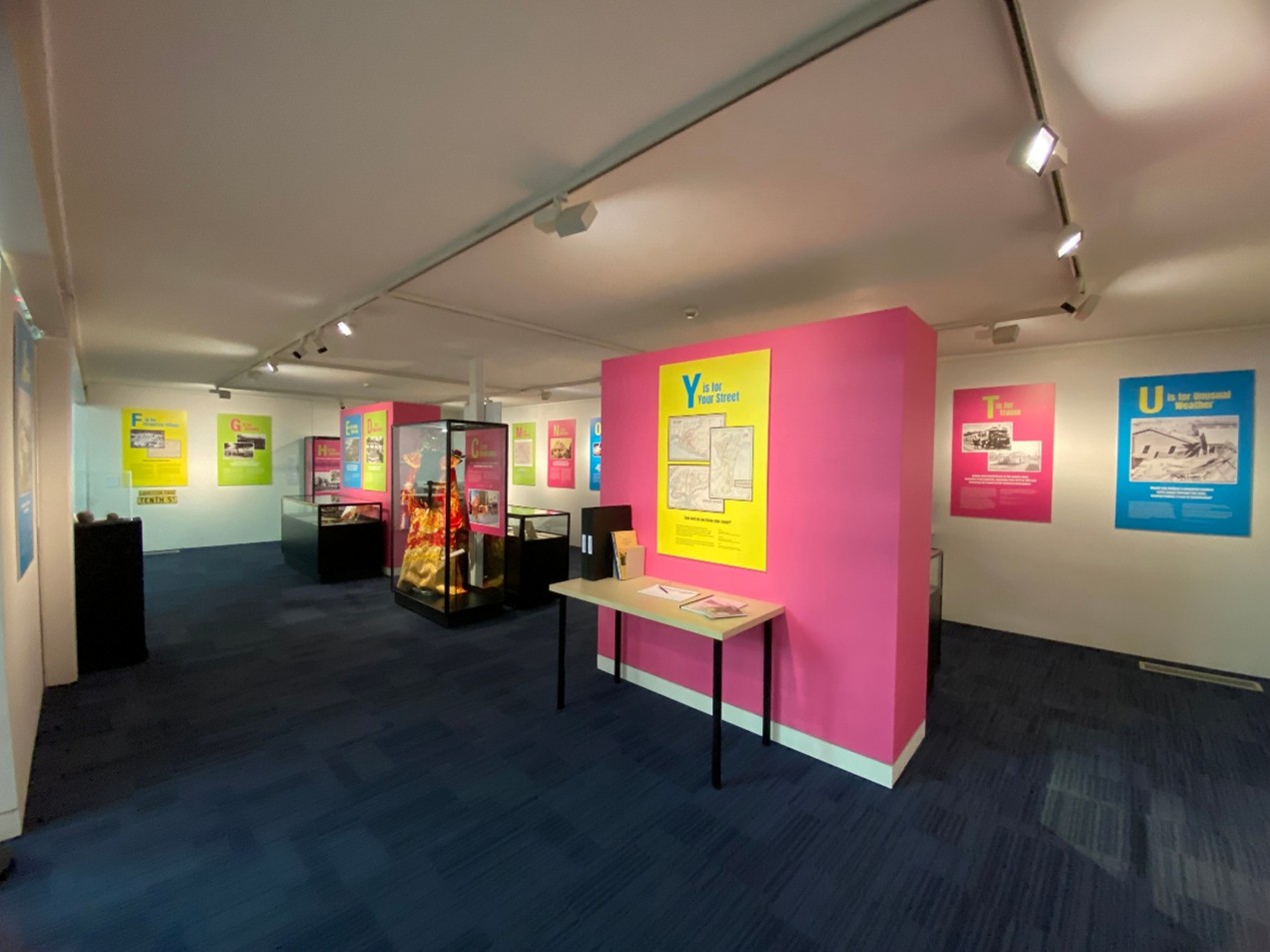
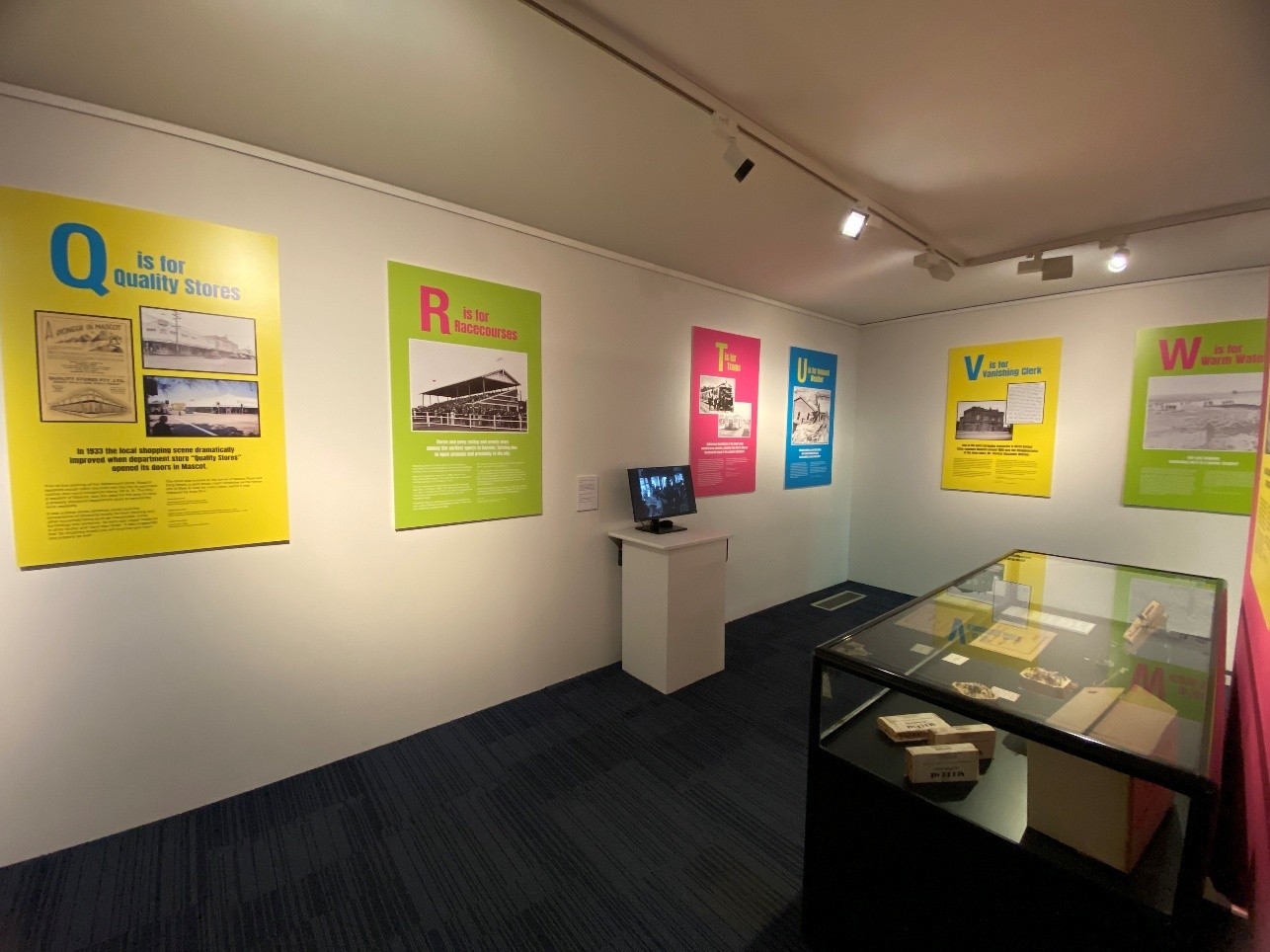
Our A-Z History uncovers the people, places, and moments that have defined our local area. This exhibition brings together objects and tales that reflect the rich tapestry of our community’s past.
A-Z of Bayside History presents local stories and objects that reflect the people, places, and moments that have shaped Bayside.
Visitors are invited to engage with the content, reflect on the history or the community, and consider what their own A–Z of Bayside could include, and what places have shaped Bayside for them.
Getting to George Hannah Memorial Museum: The Museum is located at Mascot Library, 2 Hatfield Street, Mascot. See map
See the complete list of Bayside's A-Z History
Bayside 2024 Photography Competition
This exhibition was held from December 2024 – March 2025.
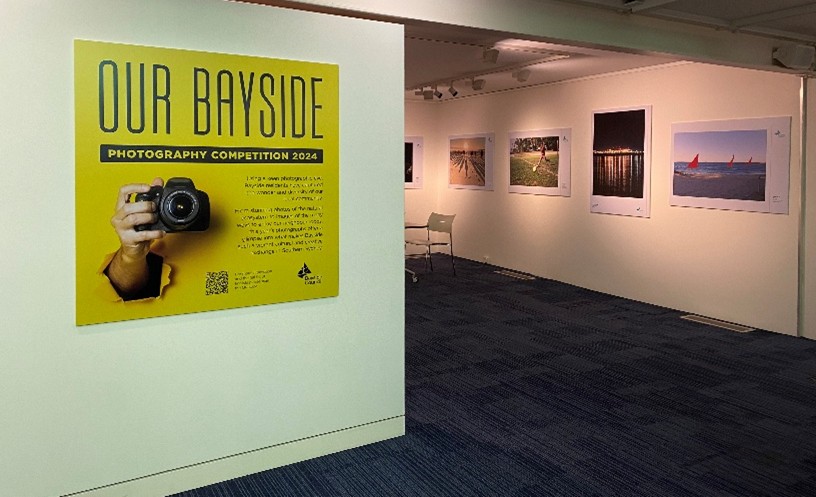
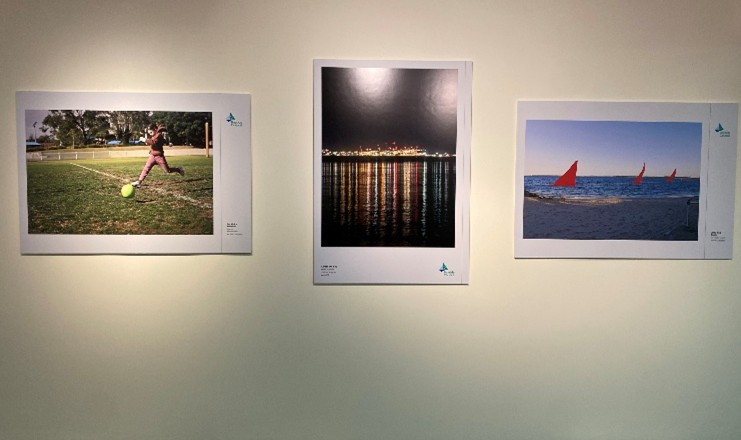
Bayside's Photography Competition winners for 2024 captured the essence of our area's natural beauty and diverse local community.
Across each category, this year’s photographs offer glimpses into what makes Bayside such a vibrant cultural and creative exchange in Southern Sydney.
Find out more about the photos featured here.
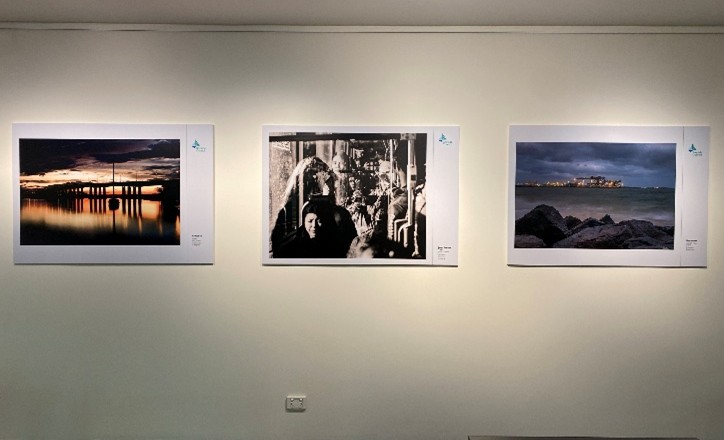
Bayside 2023 Photography Competition
This exhibition was on display from July - December 2024.
Using a keen photographic eye, Bayside residents have captured the wonder and diversity of our community.
The 2023 Photography Competition offers a glimpse into what makes Bayside such a vibrant, cultural and creative exchange with stunning photos of our natural ecosystems, to images of the many ways we enjoy our neighbourhoods.
The winning works capture the essence of living in a thriving community by the Bay across seven categories:
- Open
- Environmental
- Waterways
- Transport
- Active
- Your neighbourhood
- Junior
To find out more about the photos featured here, visit Bayside Photography Competition.
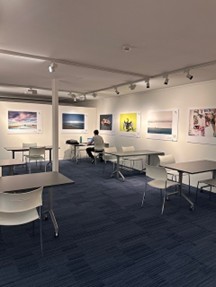
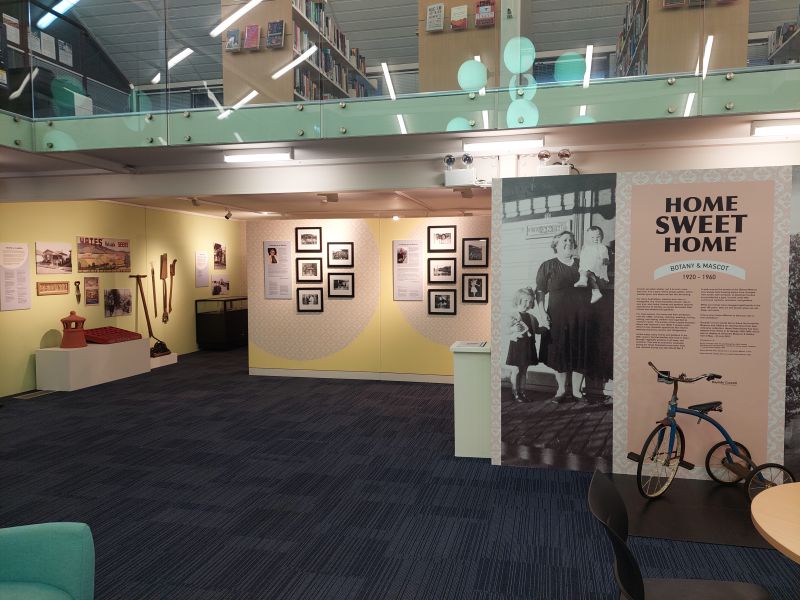
Home Sweet Home: Botany and Mascot 1920-1960
This exhibition was on display from 13 September 2023 to 1 June 2024.
‘Home Sweet Home: Botany and Mascot 1920-1960’ explores how our homes and domestic life have changed with new inventions and shifting attitudes to the role of women.
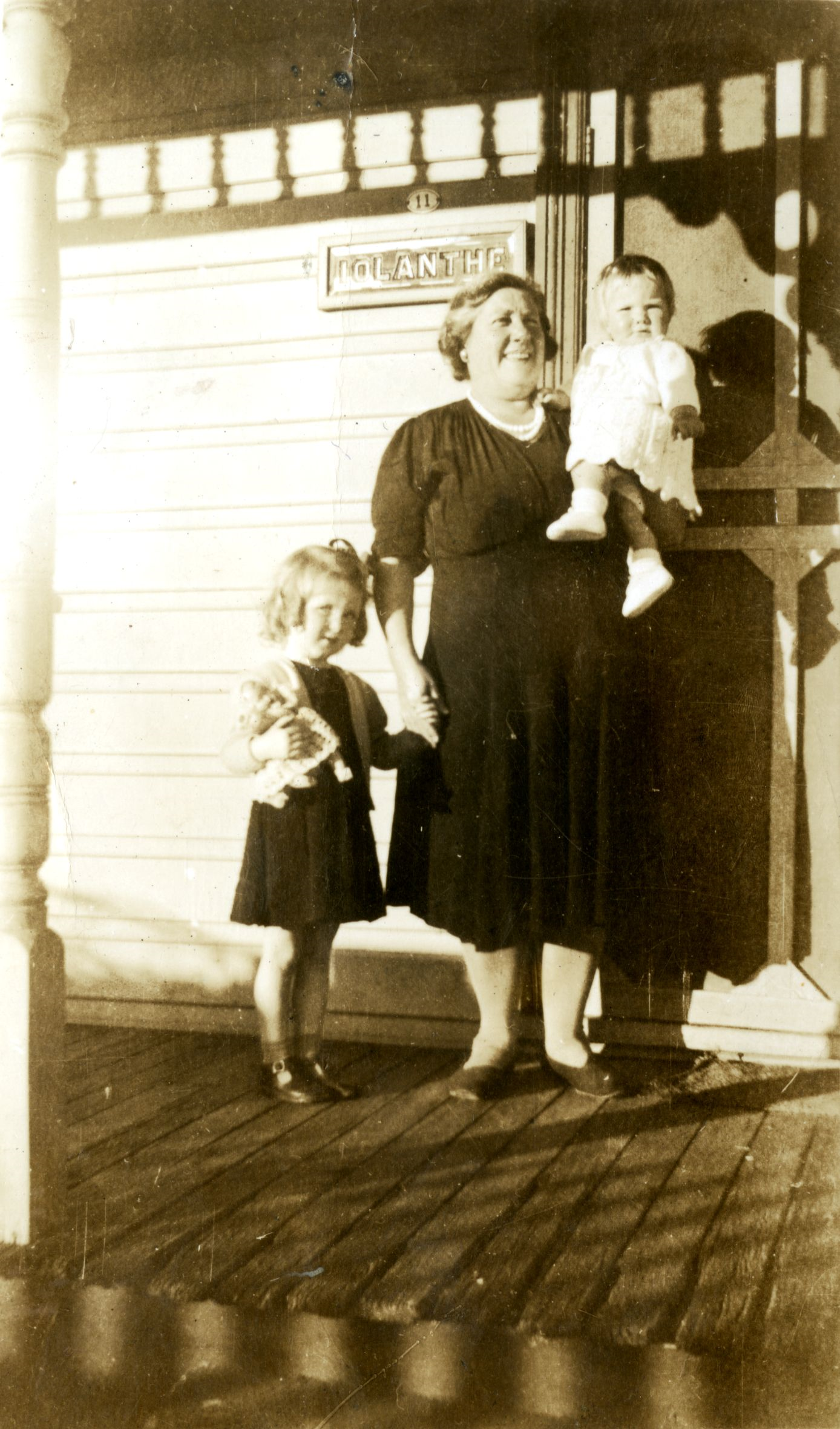
For many Australians, whether born here or immigrants, the ‘Great Australian Dream’ was to own your own home. Homes and gardens became expressions of identity as people decorated their homes and planted their gardens.
Up to the 1960s, homes were the primary workplace for women - cooking, cleaning, washing, ironing, sewing, and raising children was regarded as ‘women’s work’.
The burden of this unpaid domestic labour was relieved in the 1950s for people who could afford domestic appliances like electric washing machines, stoves, and refrigerators.
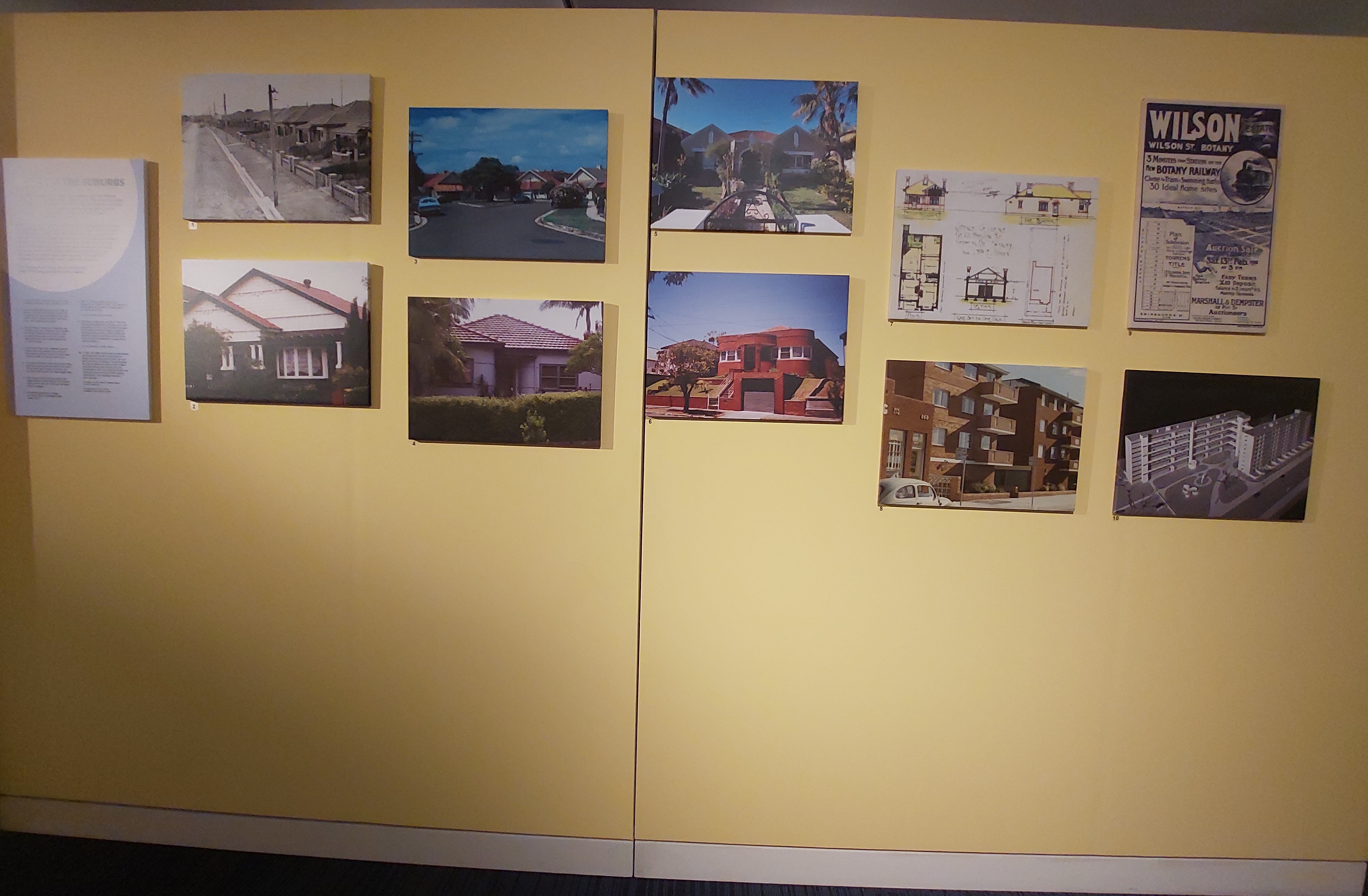
Building the suburbs
The suburbs around Botany are on the traditional lands of the Bidjigal peoples of the Eora Nation.
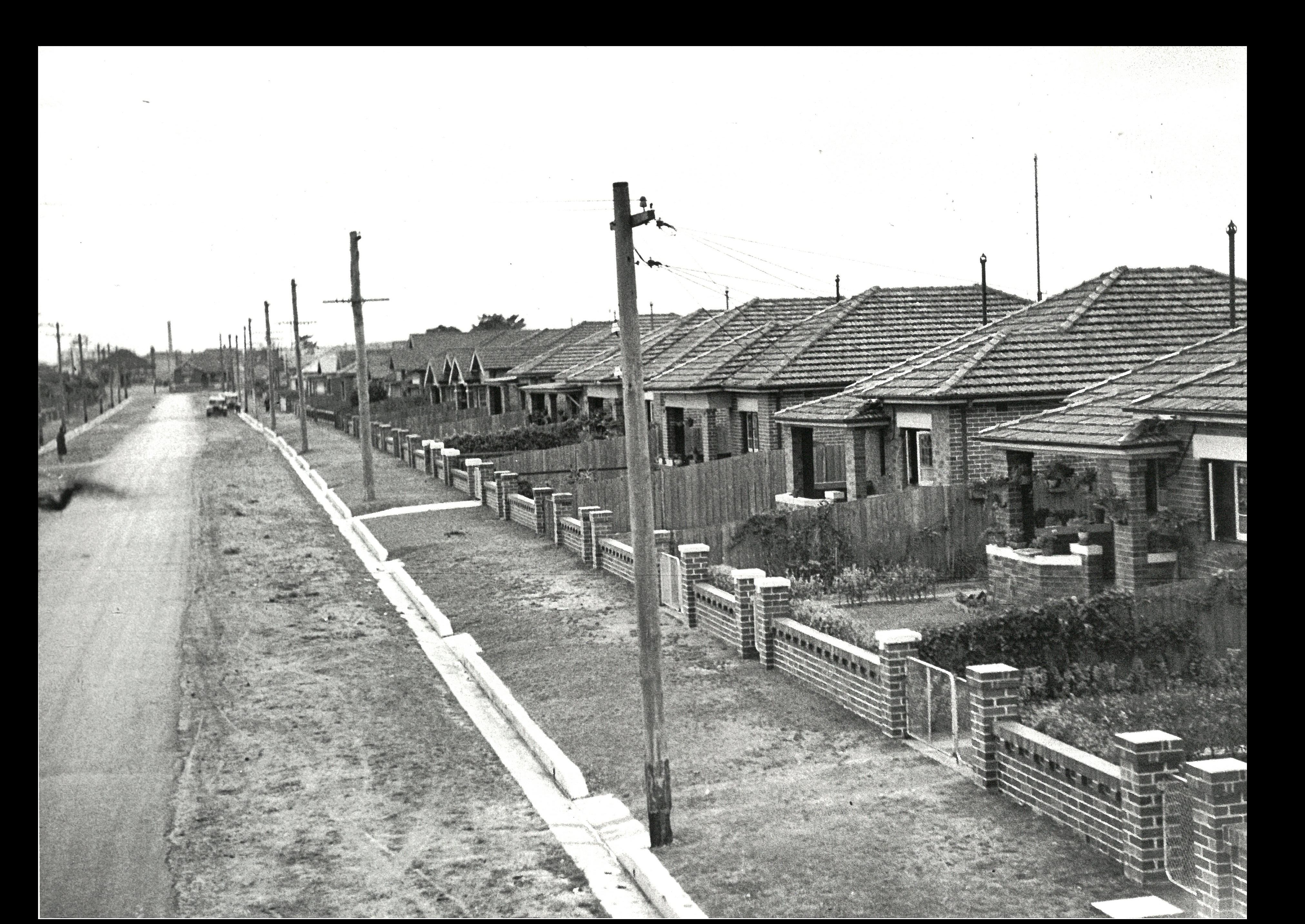
Housing in the greater Botany area has long been a tug-o-war between the residential and industrial needs of Sydney. Industries like wool scours, tanneries, and market gardens relied on a water supply in the 1800s so they took up most of the land, but this changed as Sydney’s population expanded after World War I.
In 1903, the electrification of the tram, which ran the length of Botany Road, encouraged families to venture further from the city.
From 1919, the former Botany and North Botany (later known as Mascot) Councils used new local council powers to limit the expansion of noxious trades thereby encouraging residential development. As it was closer to the city and further from the bay, land was subdivided for housing in Mascot before Botany.
From the 1920s to the 1960s, houses were built that reflected the styles of the era, and the cost and availability of building materials. After the 1960s, industrial land use started winning the tug-o-war again as residential areas were resumed to build the Port of Botany, Kingsford Smith Airport, and Foreshore Road.
House and Garden
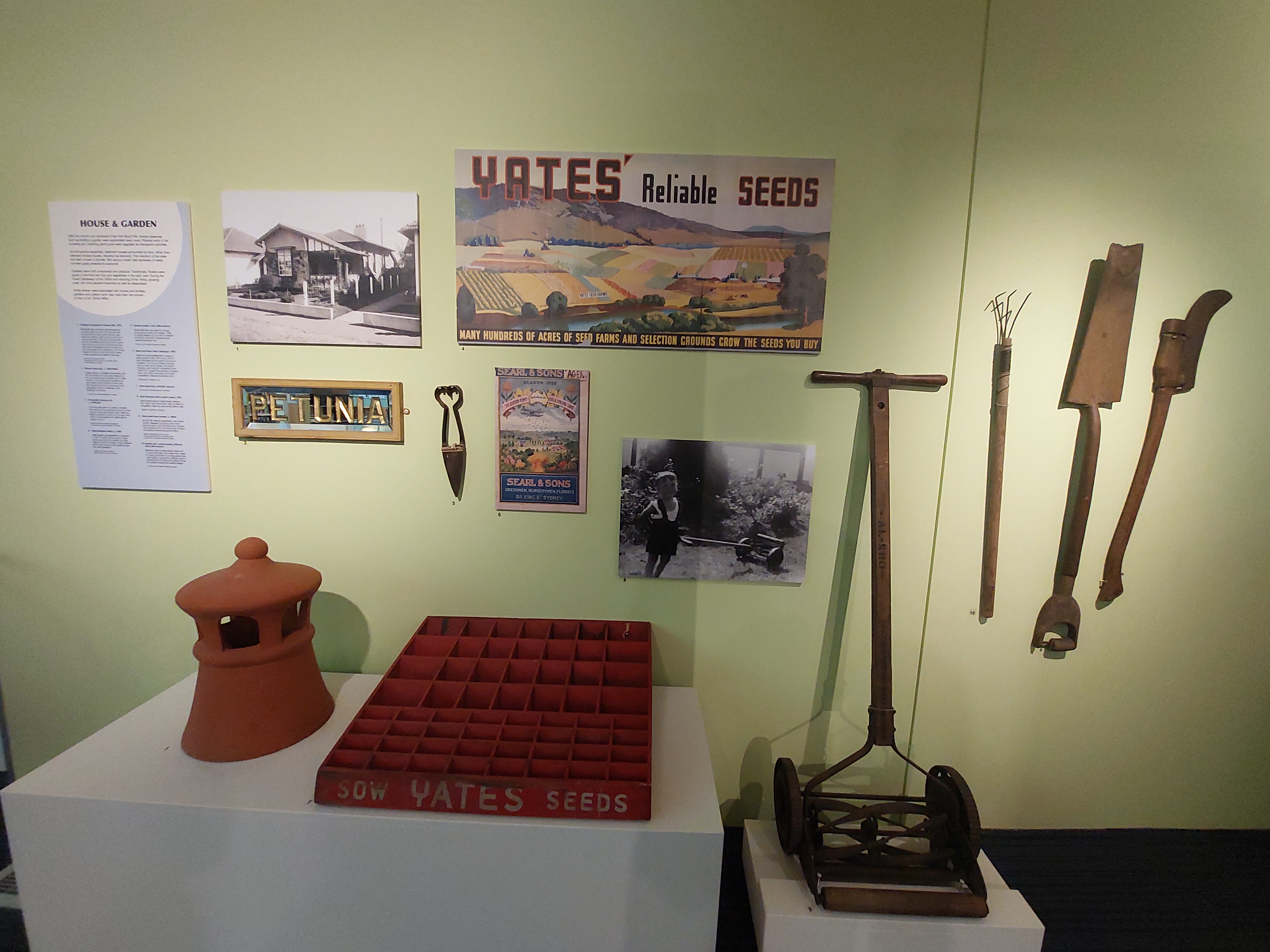
After the horrors and upheaval of World War I, simple pleasures such as tending a garden were appreciated even more. Physical work in the sunshine and watching plants grow were regarded as therapeutic activities.
Detached houses surrounded by land were increasingly preferred over cramped terrace houses.
Gardens were both ornamental and practical with flowers grown in the front, and fruit and vegetables in the backyard. The invention of the hose and lawn mower in the late 1800s made ‘vast expanses of neatly trimmed grass’ possible for everyone.
Growing food was a pleasure for households but it become essential during the Great Depression of the 1930s and war rationing of the 1940s. Keeping chickens was both a way of providing protein and a way to make a little extra money from the sale of eggs.
While women were associated with homes and families, gardens and outdoor work was most often the domain of men in the 1920s-1960s.
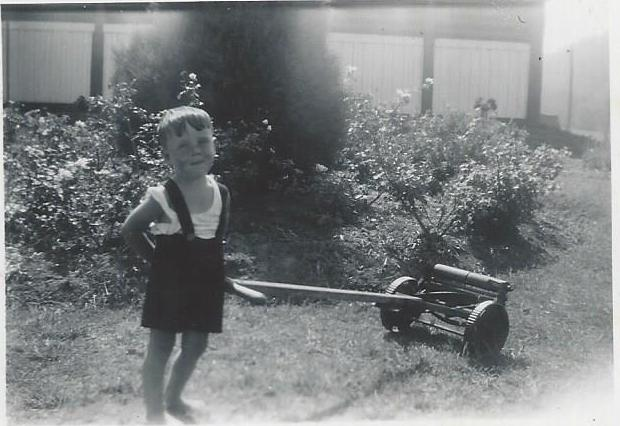
Alan’s family lived in Hatfield Street, Mascot, from 1952. Alan would often "help" his father in the garden. Note the rose bushes behind Alan.
Source: Bayside Local History Collection
Hard Times
The 1920s-1960s were an economic rollercoaster ride. Men returned from World War I to a housing shortage, but there were plenty of jobs during the 1920s. Then the Great Depression hit. Unemployment in NSW rose to 32% by 1932, and a government relief depot was set up in Matraville.
The early 1930s were a time of ‘economic upheaval, skyrocketing unemployment rates, political and social unrest, and the shattered promise of the 1920s Australian dream’. Evictions for unpaid rent were common and the Labor Member for Botany, Mr R. J. Heffron, stood up in State Parliament and asked when the government was going to provide the rent relief they had promised.
Families tried to ‘make do’ by mending clothes, growing their own food, and eating the rabbits or fish they caught.
Australia’s social security system was in its infancy in the 1930s and 1940s, so it was left to churches, Freemasons, and Friendly Societies to provide charity and financial support.
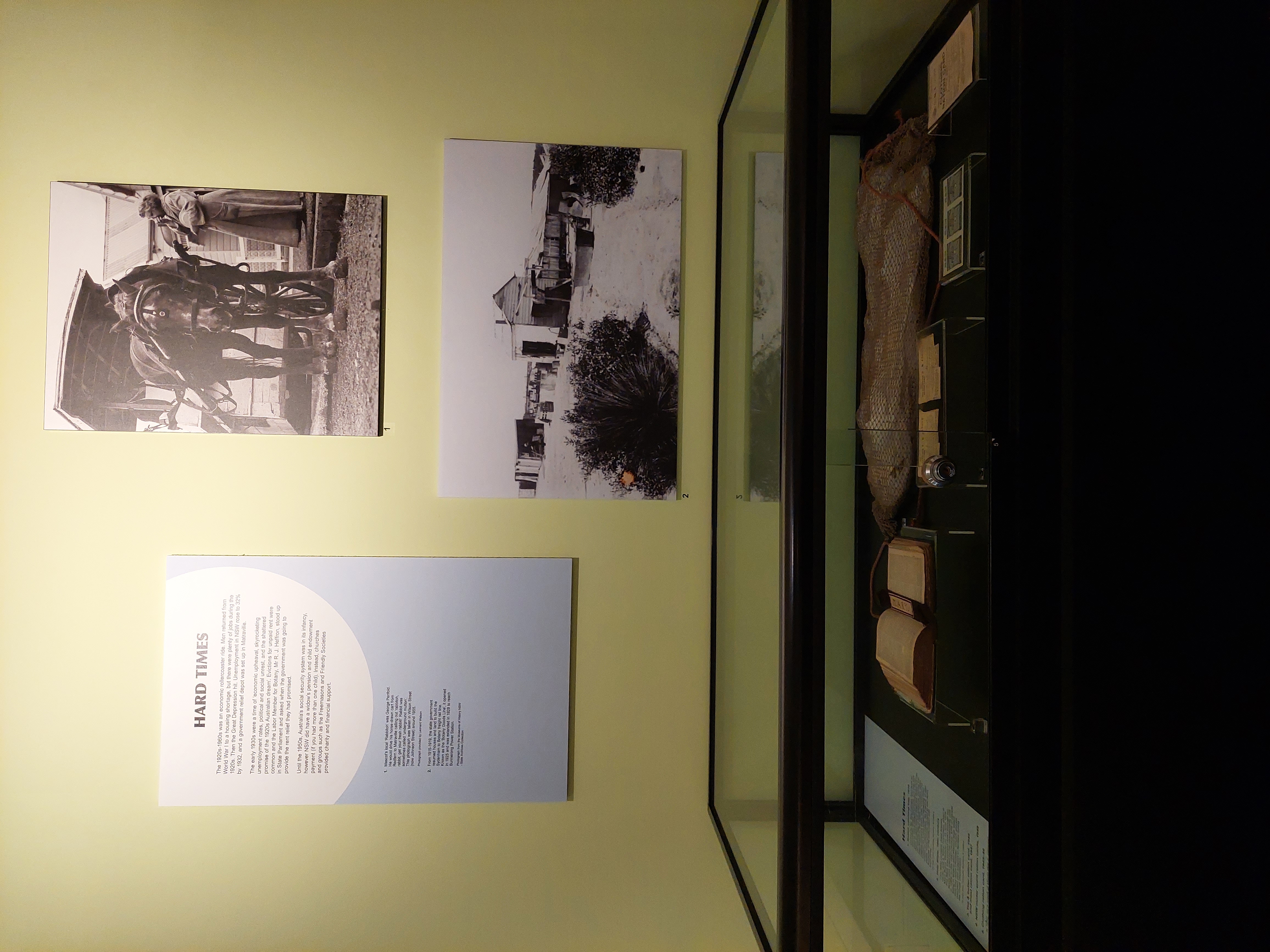
Source: Bayside Local History Collection
Crafty Lives
A strong link between sewing and femininity formed as part of the Victorian domestic ideal in the 1800s, so most women and girls sewed by hand or with a machine. Their needlework was sometimes a ‘form of expression and creativity’, but it was a practical necessity for the working classes.
Ready-made clothes were not as available or cheap as they are today, so dressmaking was one of the domestic skills women had to learn. Worn out clothing was recycled into floor rugs, quilts, or aprons.
Even when this frugality was no longer required, the ‘habit of re-using materials had become entrenched in the Australian way of life’, resulting in the ‘making do’ philosophy which continued through the 1930s and 1940s.
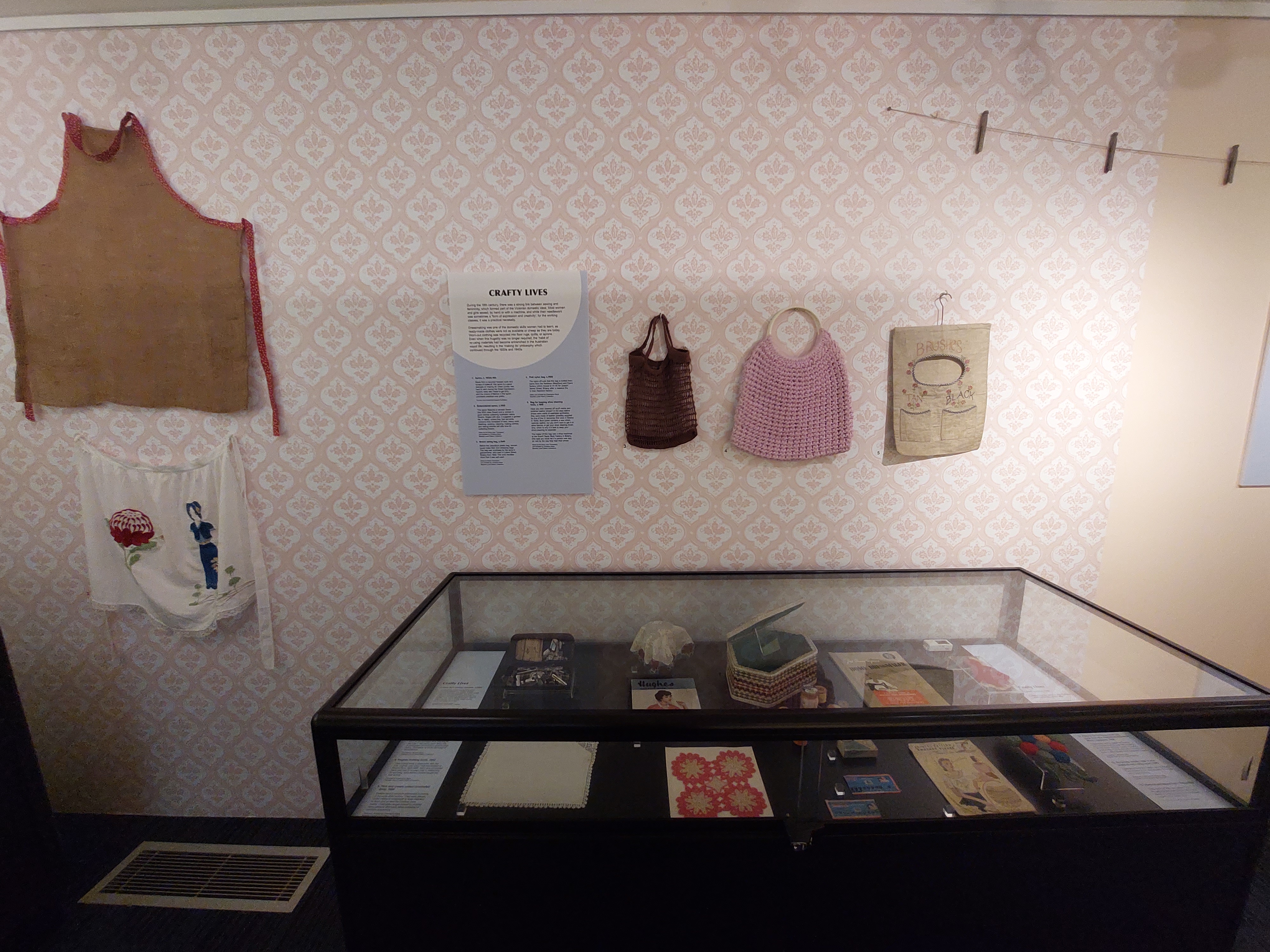
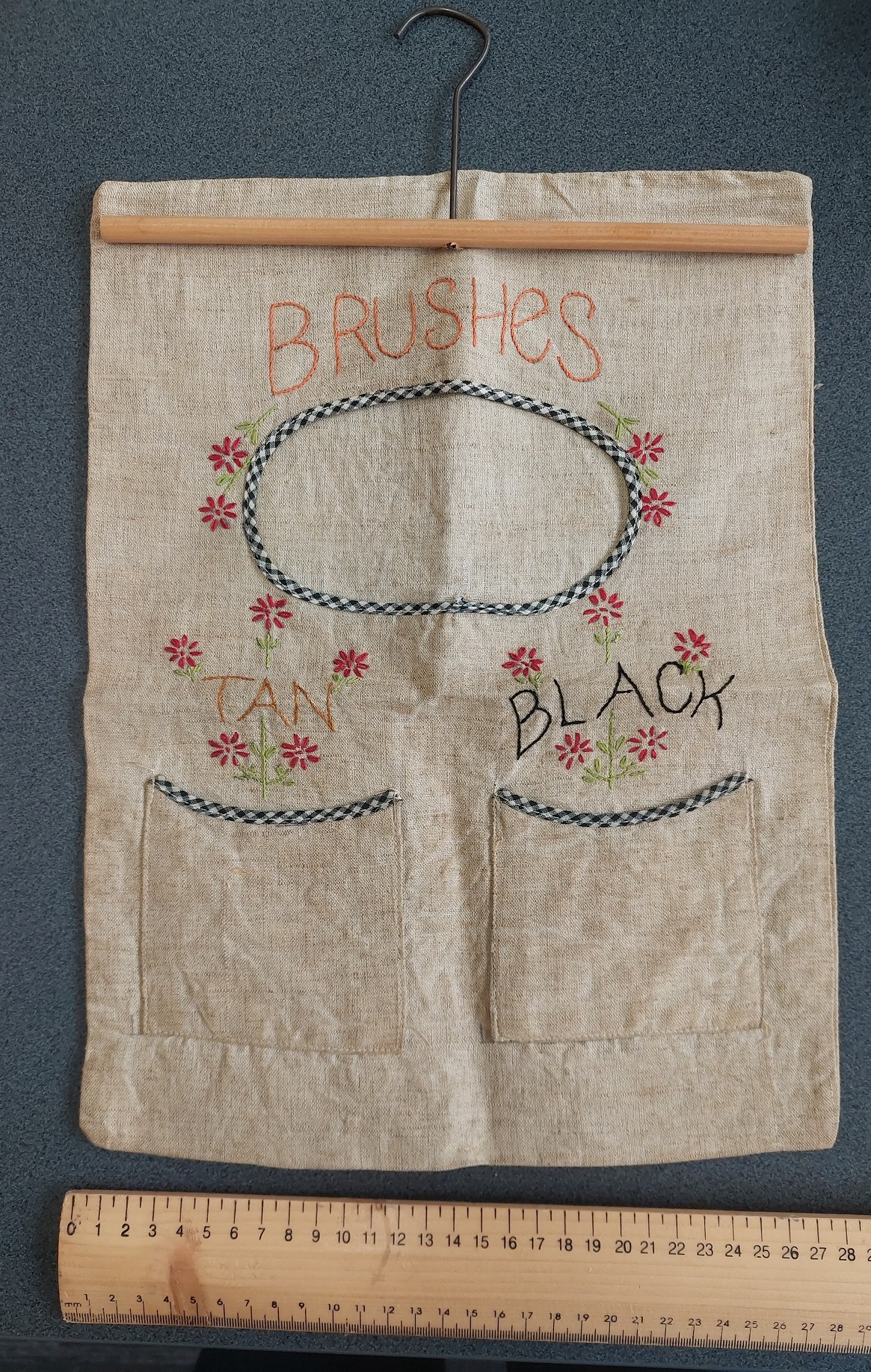
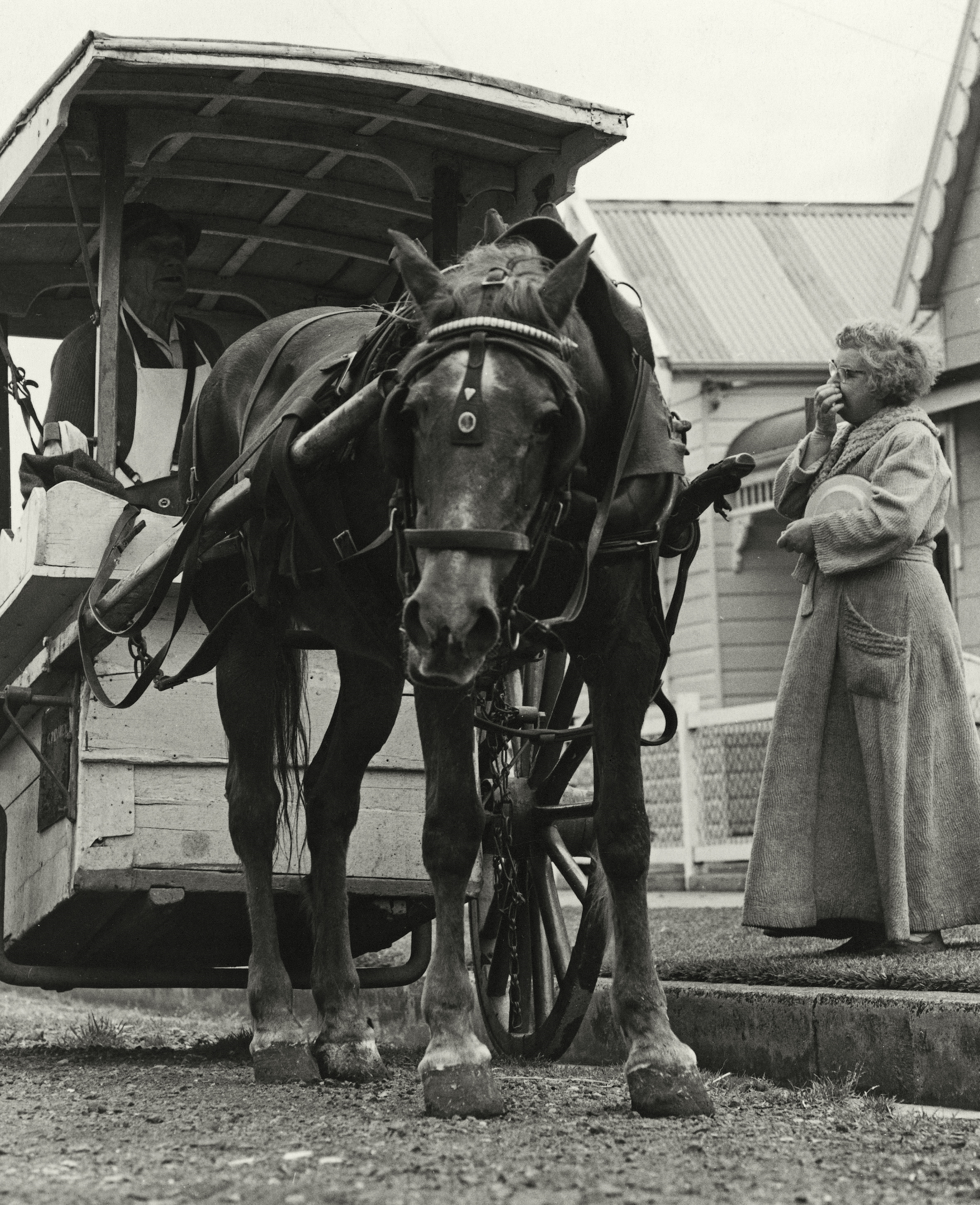
The maker of this bag was a shoe machinist at the Enoch Taylor Boot Factory in Botany. She said you could tell if a person was lazy (or not) by the way they kept their shoes.
Made by Iris Moss (nee Thompson) and donated by Christine Moss
Bayside Local History Collection
Wash Day
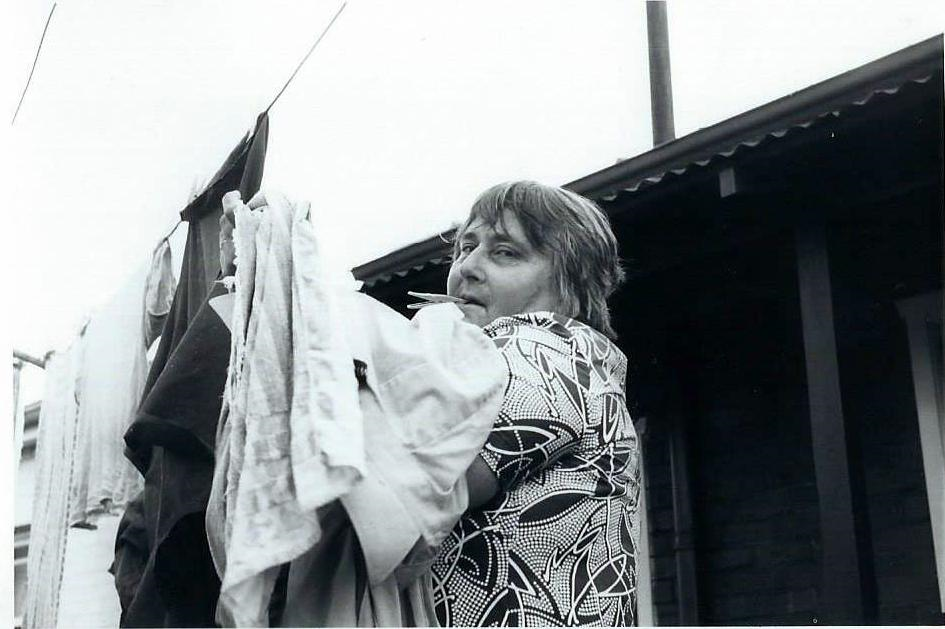
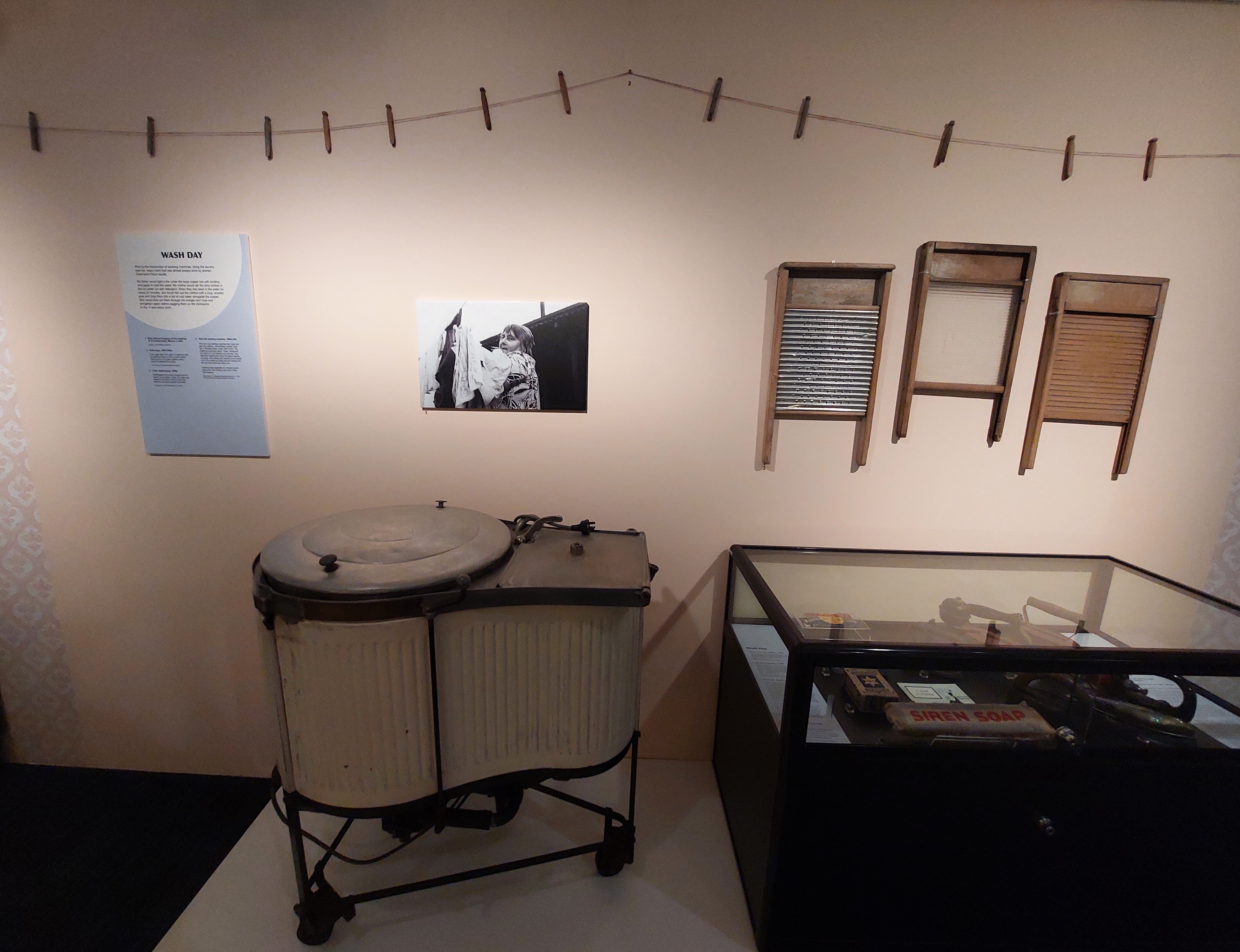
Before the invention of washing machines, doing the laundry was hot, heavy work that was almost always done by women. Charmaine Piaud recalls:
“My father would light a fire under the large copper tub with kindling and paper to heat the water.”
“My mother would stir the dirty clothes in the hot water tub with detergent. When they had been in the water for about 20 minutes, she would fish out the clothes with a long, wooden pole and drop them into a tub of cold water alongside the copper.”
“She would then put them through the wringer and rinse and wring them again before pegging them on the clothesline to dry. It was heavy work.”
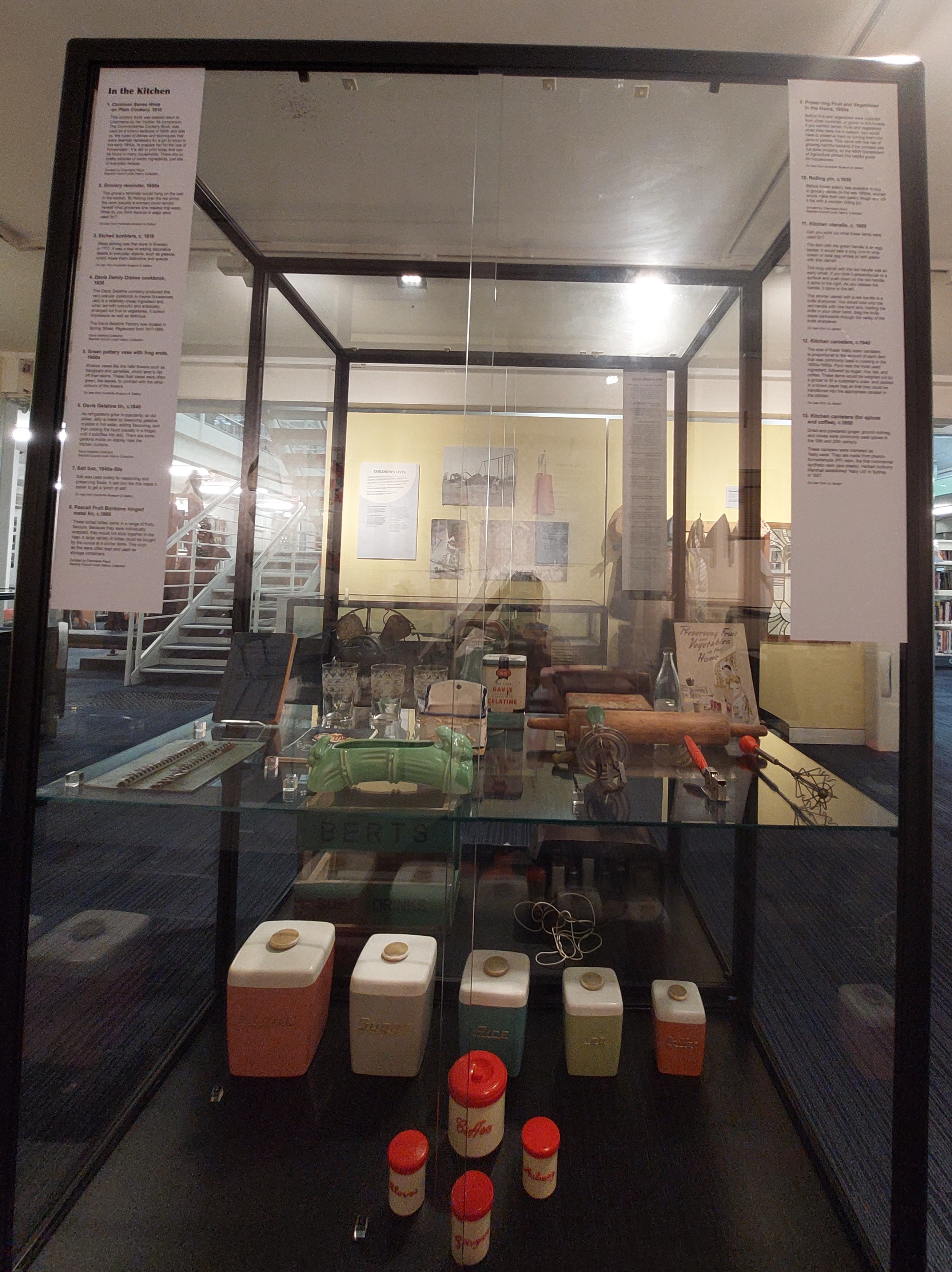
In the Kitchen
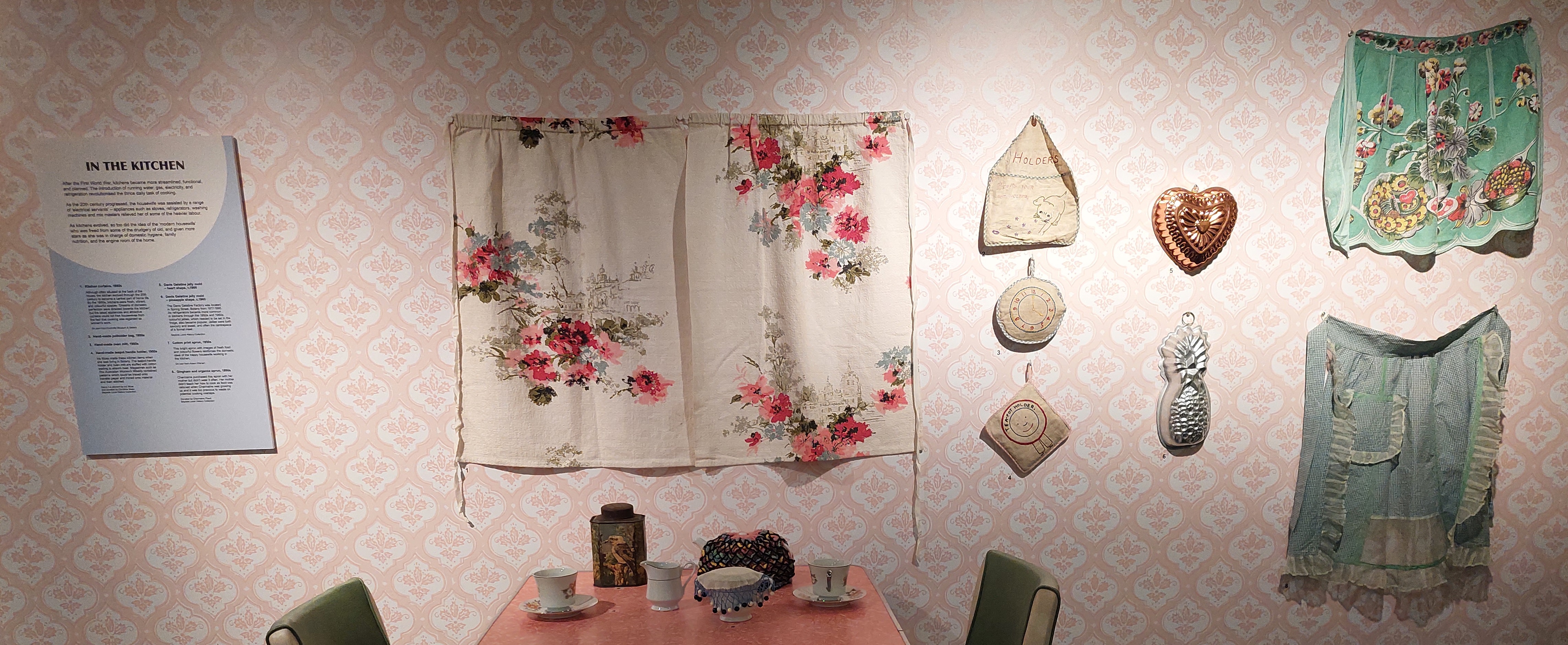
Kitchens became more streamlined, functional, and planned after World War I. The introduction of running water, gas, electricity, and refrigeration revolutionised the thrice daily task of cooking. As the 1900s progressed, housewives were assisted by an increasing range of ‘electrical servants’ – appliances like stoves, refrigerators, washing machines and mix masters relieved them of some of the heavier labour.
As kitchens evolved, so too did the idea of the ‘modern housewife’ who was freed from some of the drudgery of old, and in charge of domestic hygiene, family nutrition, and the engine room of the home.
As the 1900s progressed, kitchens moved from the back of the house to become a central part of home life. By the 1950s, kitchens were fresh, vibrant, and colourful spaces. ‘Dreams of domestic perfection were directed towards the kitchen’, but even the latest appliances and attractive curtains could not free housewives from the fact that cooking was regarded as women’s work.
At the Table
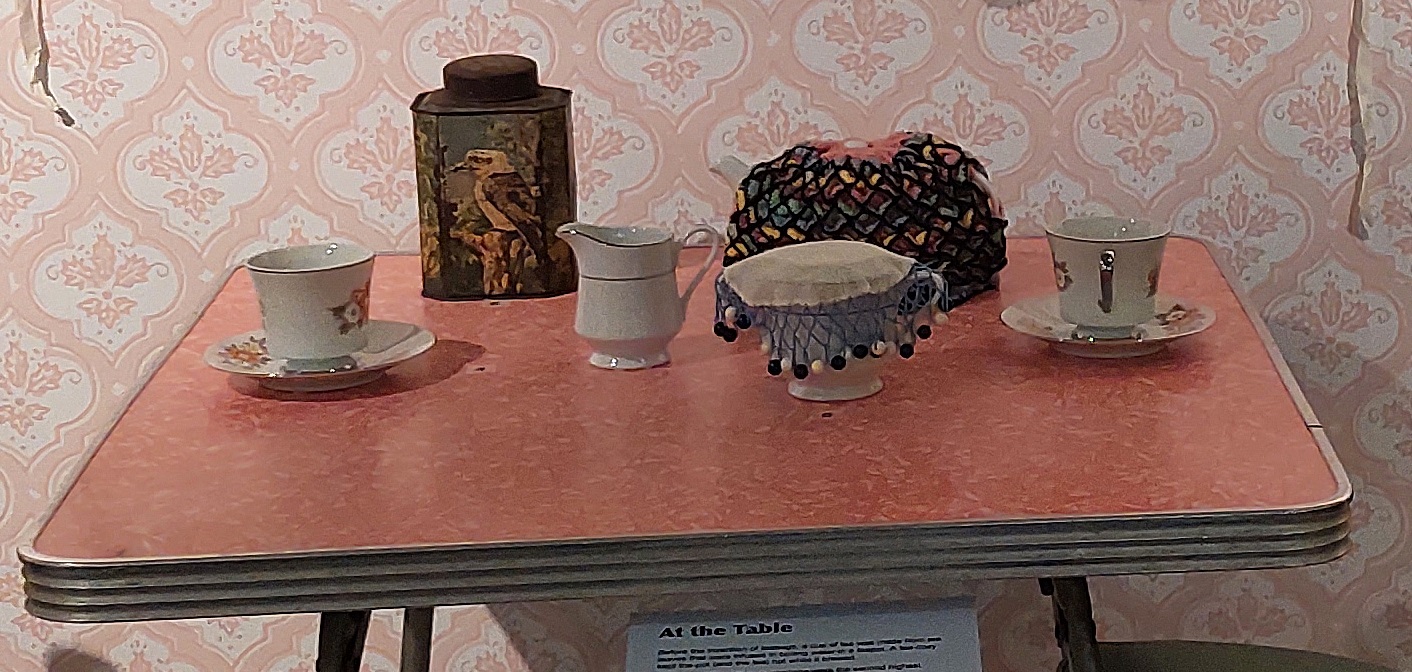
Before the invention of teabags, a cup of tea was made from tea leaves that were infused in boiling water in a teapot. A cosy kept the tea hot while it brewed.
During the 1900-1940s, Australians were the second highest consumers of tea (per capita) after Britain in the world.
Drinking tea was both a leisure and social activity. Black tea contains a form of caffeine which made taking a ‘tea break’ reviving.
Bidjigal people also adopted tea drinking from British colonists.
Men's Lives
In the 1920s-1960s, men mostly worked outside the home and women inside the home. If men did work around the home; it was in the garden, the garage, or the shed. There were many factories in the Botany-Mascot area in this time period, and they provided (mostly) manual labour jobs for men. During World War II, when so many working age men joined the military, factories closed, or women took on these roles. However, when the war ended in 1945, women were expected to return to the home.
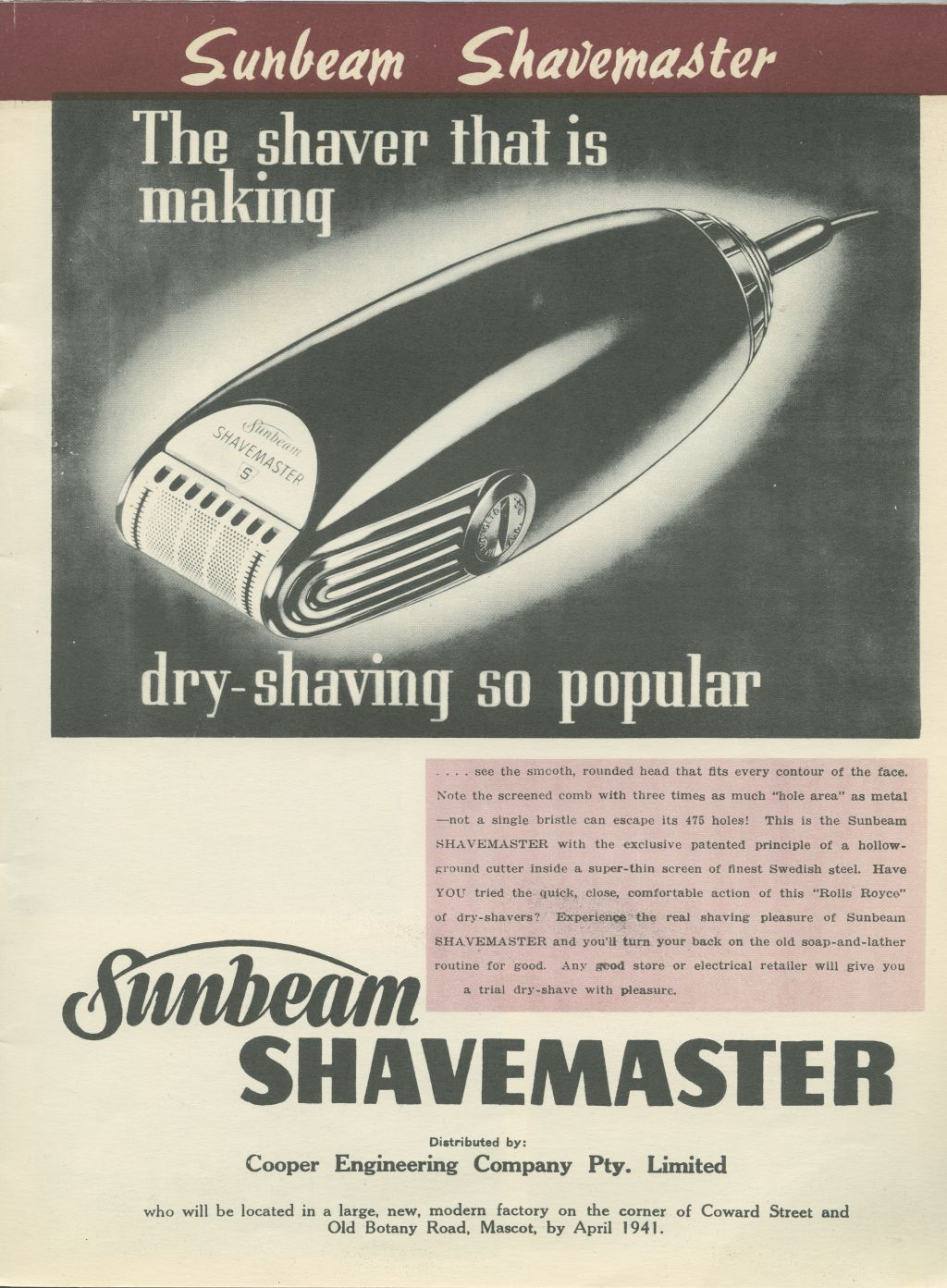
This early electric shaver was advertised as the ‘Rolls Royce’ of dry shavers. It replaced the use of shaving soap and a razor with speed and convenience. Beards were ‘in’ during the Victorian era but unfashionable in the early 20th century.
Sunbeam was distributed by a company based in a ‘modern factory’ in Coward Street, Mascot, from April 1941.
Welcome to Mascot, Council publication, 1940, p.5.
Bayside Local History Collection
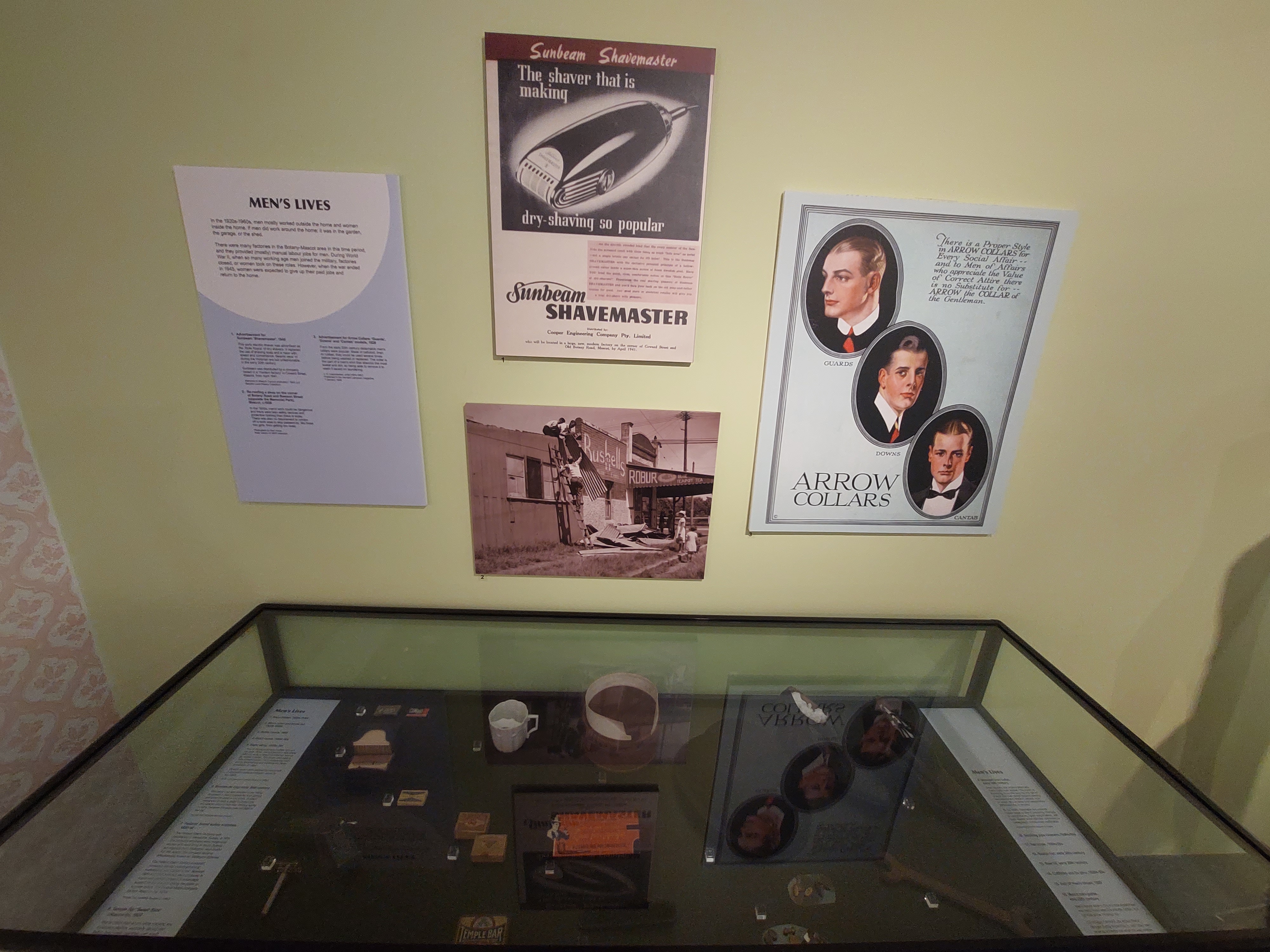
Women's Lives
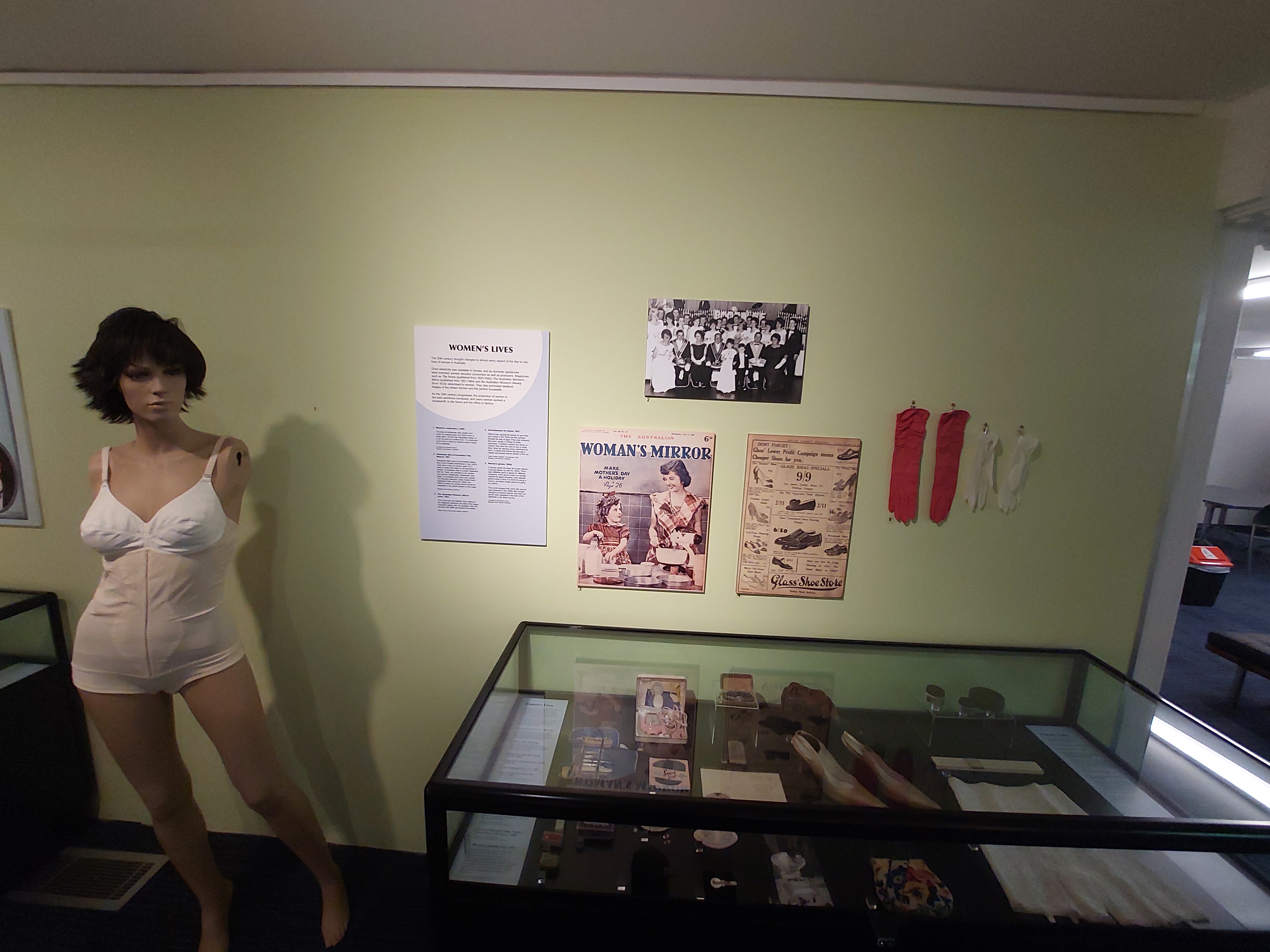
The 20th century brought changes to almost every aspect of the day-to-day lives of women in Australia. Once electricity was available in homes, and as domestic appliances were invented, women became consumers as well as producers.
Magazines such as The Home (published from 1920-1942), The Australian Women’s Mirror (published from 1921-1964) and the Australian Women’s Weekly (from 1933); advertised to women.
They also promoted idealised images of the dream kitchen and the perfect housewife. As the 20th century progressed, the proportion of women in the paid workforce increased, and many women worked a double shift: in the home and the office or factory.
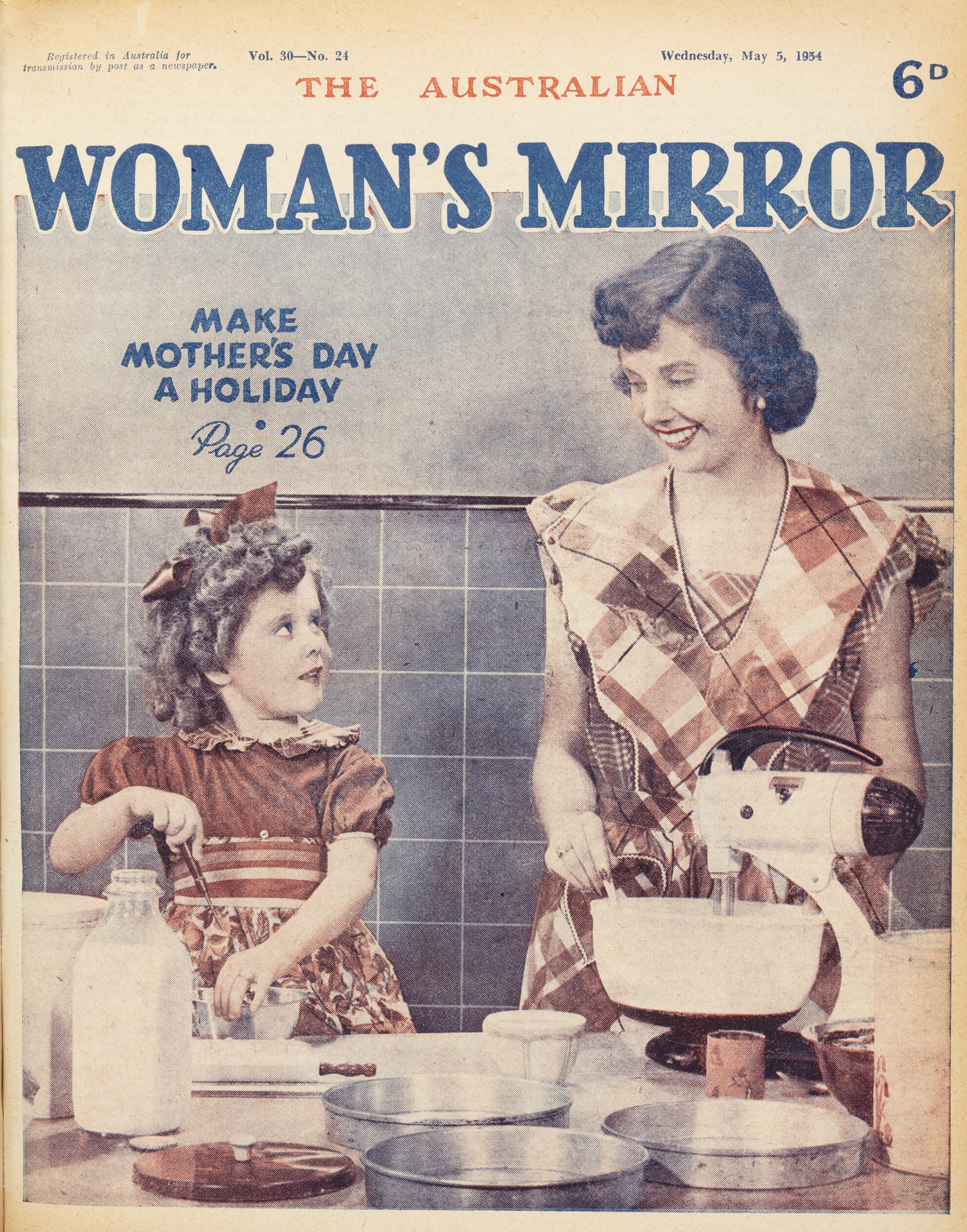
State Library of New South Wales Collection
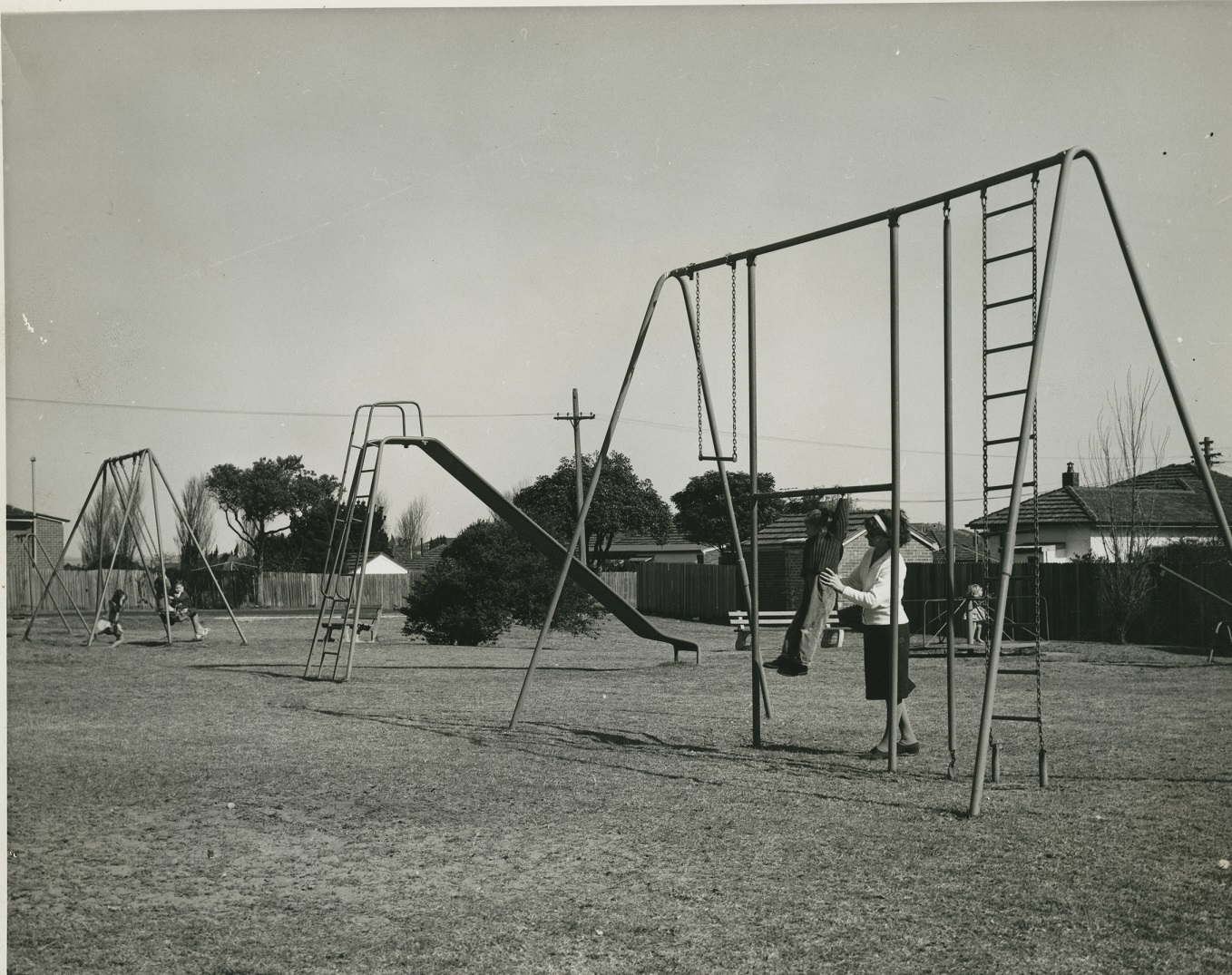
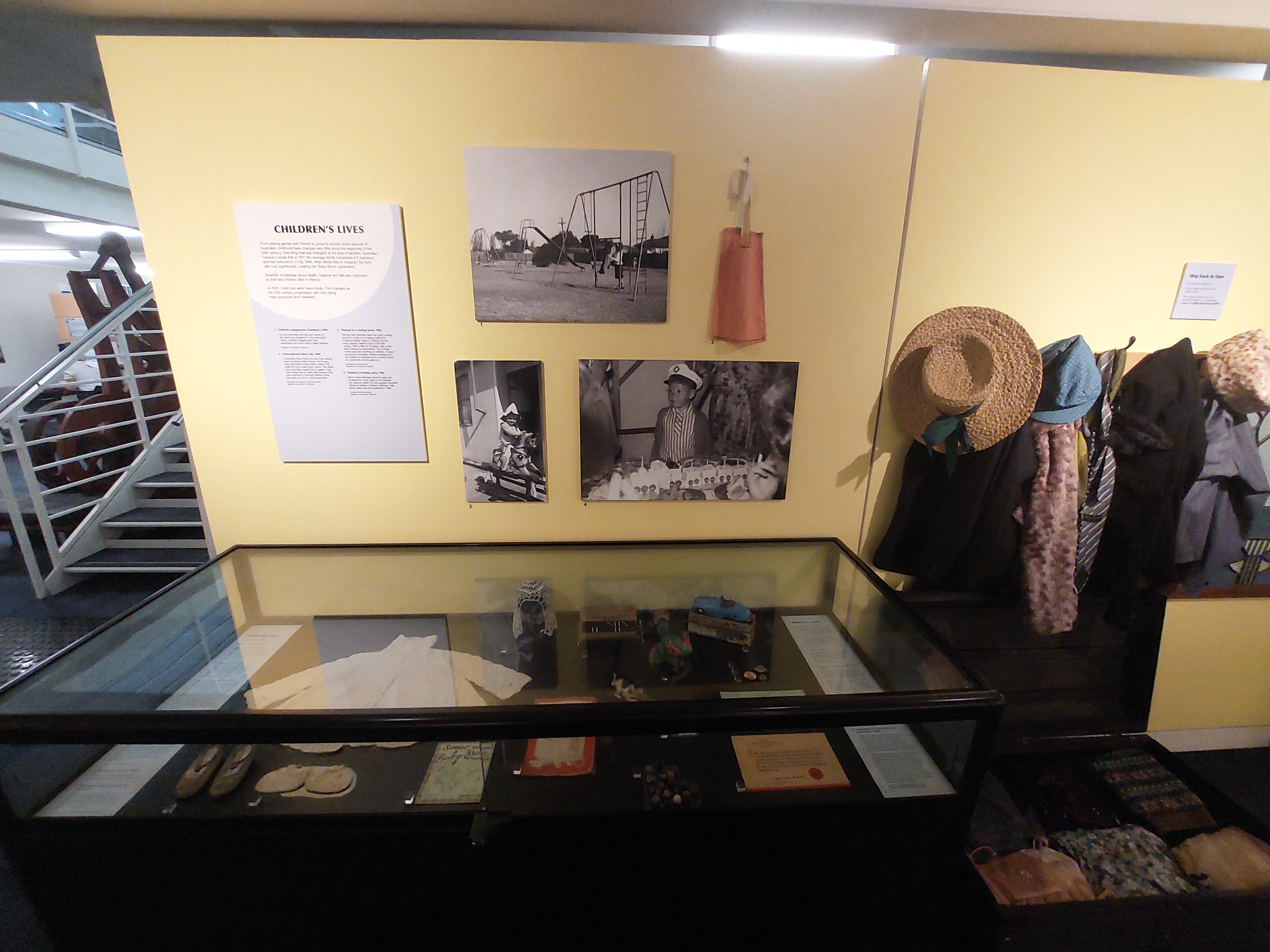
Children's Lives
From playing games with friends to going to school; some aspects of Australian childhood have changed very little since the beginning of the1900s. One thing that has changed, is the size of families. Australian Census data shows that in 1911 the average family had 4.5 members, reducing to 3.5 by 1966. However, the birth rate rose significantly after World War II, creating the ‘Baby Boom’ generation.
In 1900, most toys were hand-made, however this changed as the 20th century progressed as toys were mass-produced and marketed.
Scientific knowledge about health, hygiene and diet also improved so that fewer children died in infancy.
Household Items
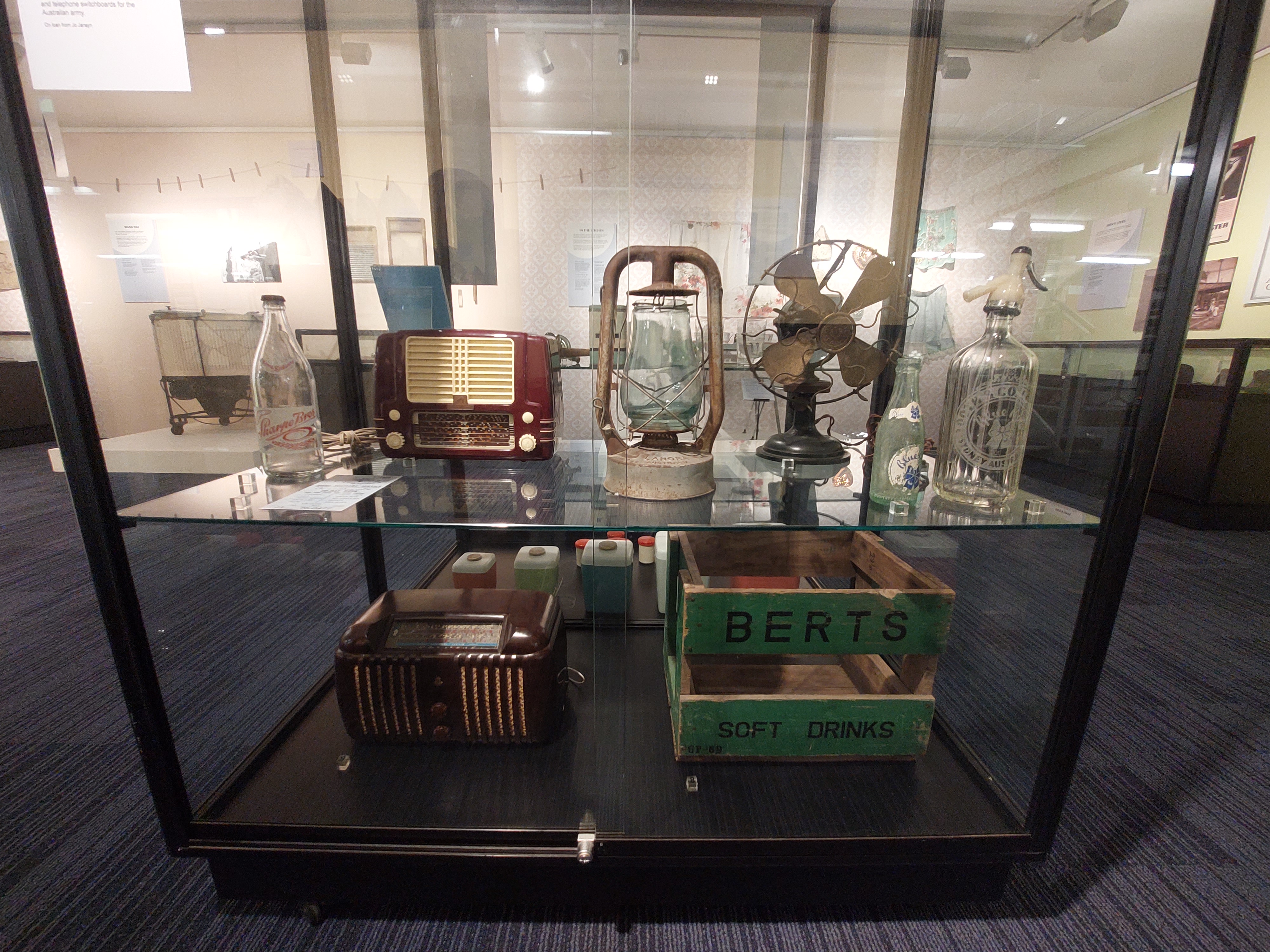
The design of many household items has changed, but most of these items are still in use. However, the transistor radio has largely been replaced by digital radio.
Local History Talk: Stannumville: Suburb in the Sand
On 5 April 2023, Leonie Bell spoke about her award-winning research for Stannumville: A Suburb in the Sand. The work tells the story of Stannumville, a suburb that appeared in 1914 and had disappeared by 1918. This is a recording of her presentation.